FMCG Parallel Market: How to Buy Safely and Protect Your Margins

Mercado paralelo FMCG: cómo comprar con seguridad y margen

From the Perfect Deal to the Perfect Disaster: Why Buying Well Starts Long Before Negotiating the Price

Some deals seem impossible to turn down.

A distributor finds a fast-moving consumer goods (FMCG) stocklot at an exceptional price. The numbers make sense. The margin is excellent. The supplier appears trustworthy, and everything suggests this will be one of those purchases that makes weeks of searching worthwhile.

The deal is closed.

A few days later, the phone starts ringing.

The payment is put on hold because concerns arise about the seller’s company. When the goods finally arrive, the labeling does not comply with the destination country’s regulations, and distribution comes to a standstill.

Suddenly, what looked like the perfect bargain doesn’t seem like such a great deal anymore.

And the worst part is that this story is far from unusual.

Problems Rarely Appear During the Negotiation

The FMCG parallel market offers opportunities with margins that are difficult to achieve through traditional channels.

But it is also an environment where risks are rarely obvious.

Most of them appear only after the money has changed hands or the goods are already in transit.

Over the years, we have seen the same patterns repeat themselves time and again:

      • Companies whose financial reliability was not what it seemed.
      • Documentation issues that delay payments or deliveries.
      • Labeling problems that force an operation to stop at the last minute.
      • Tax authority inquiries resulting from unknowingly trading with companies involved in VAT fraud.

None of these situations starts out as a major problem.

They all begin as a small detail that nobody noticed in time.

The Cost That Almost Nobody Calculates

When people talk about the cost of a transaction, they usually think about the purchase price, transport costs or the expected margin.

However, there is another cost that is far less visible: the cost of a deal that goes wrong.

Hours spent resolving unexpected issues.

Payments frozen.

Customers waiting for goods that never arrive.

Difficult conversations.

Documentation that has to be reviewed months later.

And above all, opportunities that are never pursued again because nobody wants to repeat the same experience.

That is why many distributors prefer to walk away from an attractive opportunity rather than take on uncertainty they cannot control.

And that is a perfectly rational decision.

The Value of Good Intermediation

When a transaction involves tens or even hundreds of thousands of euros, the real question is not how much professional intermediation costs.

The real question is how much it can cost to do without it.

Good intermediation does not exist simply to introduce buyers and sellers.

It exists to reduce uncertainty.

To identify risks before they become losses.

To make sure that a deal which looked profitable at the beginning still looks profitable after the truck has unloaded the goods and the payment has safely reached its destination.

Most of this work goes unnoticed.

Precisely because, when it is done properly, problems never have the chance to appear.

Our Way of Understanding Red Paralela

At Red Paralela, we do not want to become just another marketplace where companies meet.

We want to be the partner that brings confidence and peace of mind to every transaction.

We act as an intermediary because we believe trust is an essential part of doing business.

We support every transaction because we know that real value lies not only in finding the right opportunity, but in making sure it reaches a successful conclusion.

It may sound like a subtle difference.

For anyone who has experienced a defaulted payment, a documentation issue or a blocked transaction, it is anything but.

Because the best deals are not the ones that promise the highest margins.

They are the ones that, weeks later, are still remembered as successful ones.

The intergenerational shift in HoReCa distribution: when growth is no longer about accumulation

De la distribución artesanal al modelo logístico actual: una evolución que invita a reflexionar.

Where We Come From — and Why the Model Is Starting to Weigh Us Down.

Many beverage and soft drink distribution companies did not start out as distributors. They began as small local producers of soda water, siphon bottles, or soft drinks. Family businesses, closely tied to their territory, that grew by solving a simple problem: supplying drinks to the bars in their area.

Carbòniques Montaner is a clear example of that journey. It went from manufacturing siphon bottles in the 1930s to distributing water, then beer, and later soft drinks. The next step was a logical one: together with other distributors in the region, it created a buying group to better manage that growth, add more product lines, and gain autonomy and independence from manufacturers who put pressure on our company, fully aware of the leverage they held over it. Over time, it continued expanding the catalogue until it was distributing around 1,000 SKUs.

That model worked. And it worked well for many years. Until, gradually, we became Red Paralela, leaving behind the capillary, local delivery model that had accompanied us for so many decades.

Technology followed that evolution too: from the fax machine to the first IT systems, and from there to what Red Paralela is today—an extranet designed to organise and manage distributors’ parallel operations.

Three generations along this path.

Today, many distributors still build their business around one or two official brands that are the true backbone of their revenue. In many cases, more than 50% of the business depends on them. Around that core, there is a very broad range of brands and product families that “tag along”, but are not strategic.

And that “tag-along” range comes at a cost:

      • A growing labour cost: more sick leave and lower productivity than ever.
      • An ever-increasing financial cost.
        A logistics cost that is hard to justify.
      • And a management cost that never stops rising.
      • While the core brand sustains the business, everything else starts to weigh it down. More SKUs, more stock, more breakages, more errors, and more resources spent on products that do not create real value

On top of that, the current context is especially challenging. Labour costs rising out of control. A suffocating regulatory environment. New laws, procedures, and obligations piling up—and instead of helping, they make day-to-day operations harder and reduce the ability to be efficient.

      • More rules every day.
      • Less margin every day.

And that is where uncomfortable questions begin to appear:

      • Does it make sense to maintain structures designed for massive catalogues when the real business rests on three or four key manufacturers?
      • Wouldn’t it be more sensible to simplify, focus efforts, and be extremely efficient by representing only those manufacturers that truly support the distributor (now and in the future) and that the distributor can genuinely defend?
      • Could it be time to stop and rethink the model before the structural weight makes it unviable?

Rethinking the model is not always comfortable, but it is almost always necessary.

How to apply a price increase when your competitors don’t

How to apply a price increase when your competitors don’t

Cómo subir precios cuando tu competencia no lo hace

Your cost has already gone up and another distributor is still selling cheaper: 5 real tactics to win.

In horeca sales this happens often: the manufacturer has already increased prices, you are now buying at the new cost, but your competitors are still clearing old stock and can sell cheaper. The customer is very clear: “When you match the price, I’ll buy from you.”

    • If you try to match it, you destroy your margin.
    • If you stand still, you lose sales — or even customers, if the product is critical.

The solution is easy to understand and hard to execute: offer something the bar or restaurant owner values directly, here and now, even if the price per case is slightly higher.

These tactics work because they change the comparison: you stop competing only on “euros per case” and start competing on total value.

1. Deferred rebate

Instead of lowering the price on every invoice, you return part of the value later, in exchange for a specific customer behavior.

What usually works:

    • monthly or quarterly rebate if an agreed volume is reached in that product family
    • rebate if the increased-price reference is combined with other products the customer does not usually buy from you, and where you have no relevant price disadvantage versus competitors
    • credit balance for the next order (very effective to secure repeat business)

Why it works
The operator does not reject paying more if they feel that, at the end of the period, they come out ahead. Mentally, it is not perceived as an “expensive price” but as a “price that comes back.” You protect the updated price, avoid discount wars, and reward commitment. You also avoid a very common effect: losing several references because of just one.

2. Activations the operator can monetize

When you cannot win on price, win on sales. But it must be concrete — not vague promises of “support.”

Actions that are understood and actually used:

    • simple point-of-sale material linked to purchase (chalkboards, posters, bar displays)
    • a closed promotion proposal for the venue. For example, when beer is the reference that has increased in price, you can activate a weekend pack including beer, olives, and chips at a special weekend price, plus table material that encourages customers to order the promotion — so the operator not only sells the now more expensive beer, but also increases the average ticket through the accompaniment
    • short, practical staff training to drive one specific reference (30–45 minutes)

Why it works
Operators do not buy “service,” they buy results. If they see a product rotates better with you because you help them attract customers, they stop comparing only price. Price stops being a cost and becomes an investment. You are helping them sell more, not just supplying product.

3. Cross-selling with references your competitor cannot match

If you are agile, respond with a cross-offer using products your competitor does not have in their portfolio. The key is that they must be easy to sell and have enough margin to absorb part of the price gap.

How to apply it simply:

    • “If you take X cases of this reference, I improve conditions on these others you already consume”
    • “If we do this mixed order, the advantage is visible in the total”
    • “I’ll prepare a standard weekly order based on what rotates most in your venue”

Why it usually works
The customer compares the full order, not just the problematic reference. If the total makes sense, the focus shifts. Even if you earn less on one line, you do not lose the sale or the customer. You keep the relationship, rotation, and control of the full order.

4. Clear financing or flexible payment terms

Here we are talking about something the customer understands in ten seconds: cash flow. In horeca, many decisions are made based on liquidity, not theoretical price.

Useful examples:

    • extending payment terms for selected customers
    • splitting a large order into two due dates
    • allowing smaller replenishments for a few weeks to avoid tying up cash

Why it works
Operators value paying better far more than paying less. Less cash tension means less friction in buying. This competes directly with “it’s cheaper elsewhere” because it reduces the immediate financial strain, which is what hurts most day to day.

5. The parallel market as a price option

When your supplier only sells at the new price, but there is still old stock available in the market, the parallel market can be a temporary solution to avoid losing competitiveness.

Why it works
You gain time while the market aligns, prevent the customer from getting used to buying from another distributor, and maintain the commercial relationship. That said, it must be used carefully: as a temporary solution, ensuring traceability, and as a transition tool — not as a permanent model that could damage your relationship with the official supplier.

A useful note: when this can be anticipated, you can win earlier

This scenario is easier to manage when you see it coming. If you know a reference is about to increase and there will be weeks of misalignment, you can prepare agreements or purchasing plans before the customer compares prices when it is already too late.

In summary

When another distributor is still selling at old prices, you will not win by copying their game. You win by changing the comparison:

    • deferred rebates
    • activations that help sell in the venue
    • mixed orders with real rotation
    • financing

It is not about selling more expensively.
It is about selling with an advantage that today’s cheaper option is not offering.

The natural next step would be to turn this into a direct sales script for reps, sentence by sentence, to use at the bar without detours. But I’ll leave that in your hands.

Overstock

Como solucionar el sobre stock

How to clear overstock without devaluing the brand in your own area

Many distributors and sales reps face the same problem: they need to move product, but they can’t afford visible discounts that might damage the brand or create tension with nearby points of sale.

The concern is valid: a badly placed discount can hurt product perception, trigger unwanted comparisons, and—at worst—undermine relationships within the distribution network.

The key is to find a discreet, controlled and profitable channel.

Move overstock without public discounts

With Red Paralela, you can release product without exposing reduced prices in your direct market. This helps you recover liquidity, free up space and protect the brand image in your own area.

This approach is especially useful when you face:

  • Accumulation of slow-moving SKUs
  • Packaging or seasonal changes
  • A need to generate cash quickly without impacting your territory

In summary

Clearing overstock doesn’t have to mean discounting or damaging the brand. You just need a parallel channel—discreet, safe and profitable.

What’s Really Happening Before the Price Increases

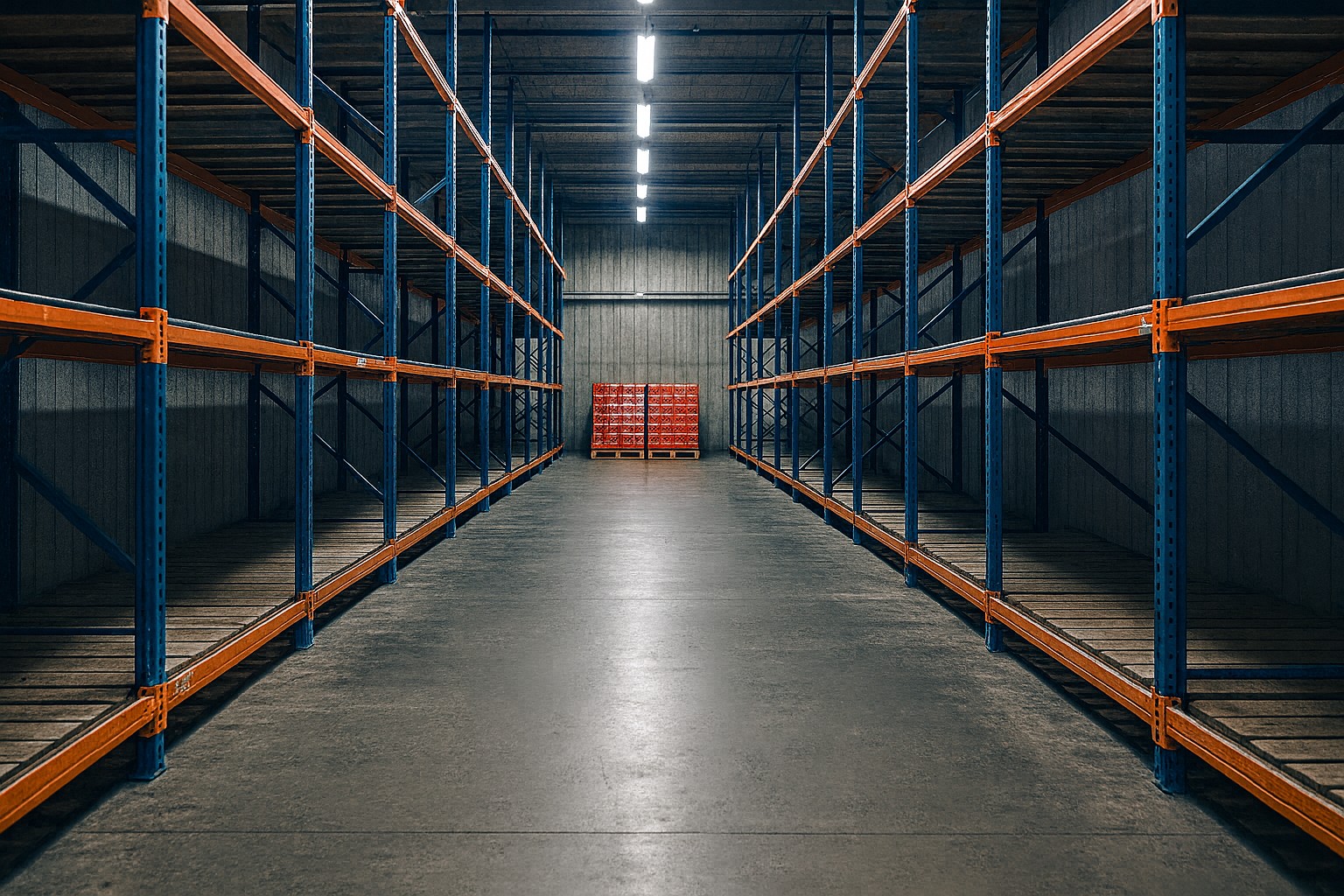
Almacén casi vacio por la subida de precios y el control de los fabricantes antes de la subida.

📉What’s Really Happening Before the Price Increases

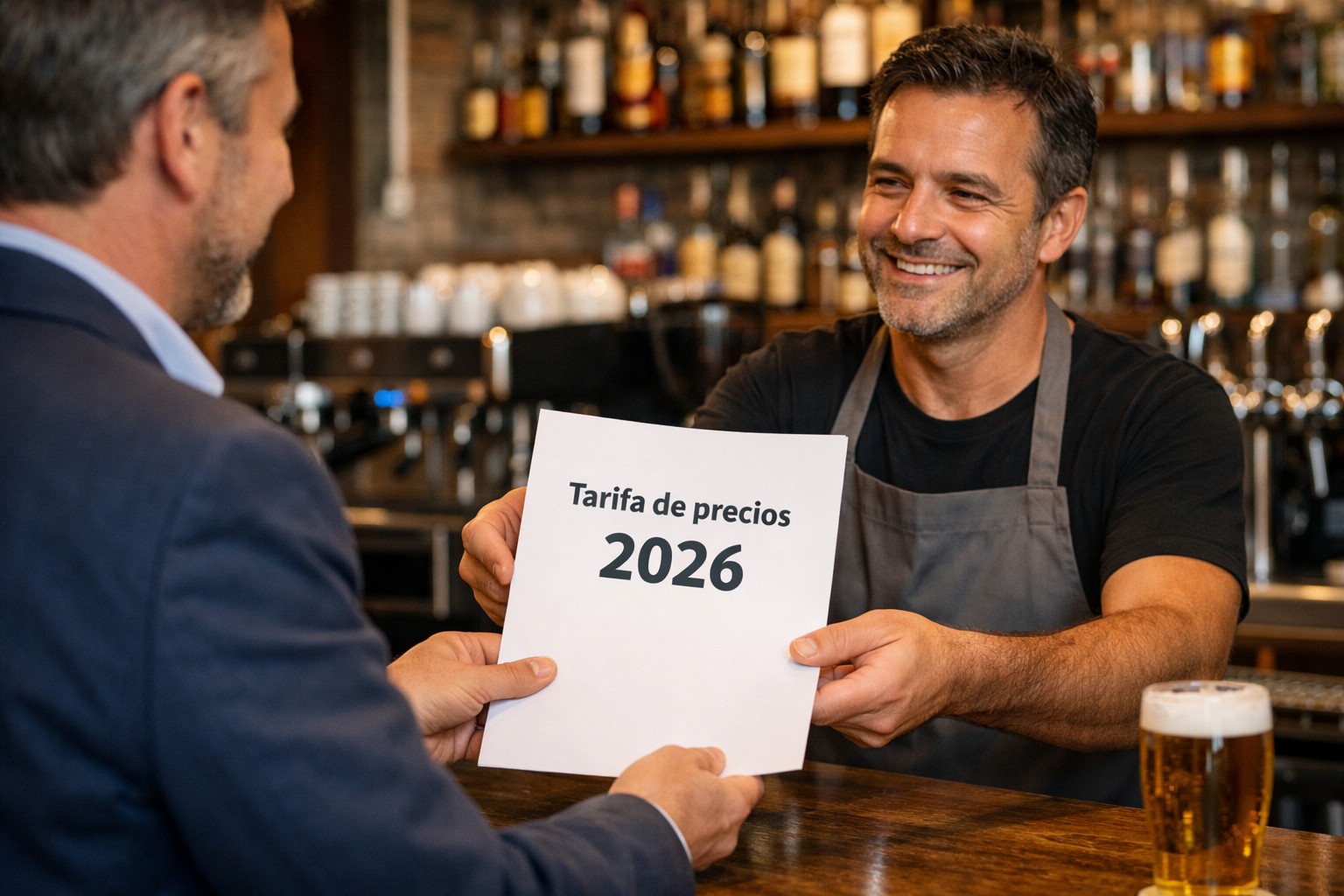
This winter won’t be easy. Factories are already preparing the 2026 price increase and, to apply it as soon as possible, they’re slowing down sales now. They’re delivering less product, tightening supply, and limiting access. It’s the fastest way to make sure everyone reaches January under the new tariff.

But the parallel market works differently. While factories tighten the flow, opportunities at 2025 prices still appear here—short-lived, quiet, and easy to miss if you’re not paying attention.
And that’s the real risk: entering January without having taken advantage of these opportunities and being forced to raise your prices just when demand is at its weakest.

This isn’t about winning margin. It’s about keeping your sales alive during the coldest months. A poorly prepared winter can easily drag on until March and ruin the entire first quarter.

3 practical ideas to buy smart

1) Take opportunities when they appear
In the parallel market, good batches don’t wait. They don’t come with long warnings, and they don’t come twice.
If you wait until January, factories will already be applying the new prices—and you’ll have no alternative to keep your winter prices stable.

2) Focus on the products that truly keep your business moving
This isn’t about speculation. It’s about protecting the references you know your network will sell even in the coldest weeks:
– high-rotation soft drinks
– standard beer formats
– brands that keep moving even at low consumption points
Securing these items at 2025 prices is what allows you to keep selling through February without losing pace.

3) Don’t wait for the “official confirmation” of the increase
Yes, factories are already announcing price increases.
What they’re not saying is how strong they will be: inflation remains high, transportation and logistics costs are up, and producers want to update prices as soon as they can.
If you wait until everything is “official,” you’ll be too late. Factories are already slowing down supply precisely to accelerate the transition to higher prices.

If you want to know what’s moving—and what will move—in the parallel market, get in touch with our commercial team.

This winter, the difference isn’t who buys cheaper… it’s who can keep selling while everyone else slows down

Hit your rebates without stressing your sales network

The end of the year is approaching and you’re still short of the volume you need to reach your annual rebate. Your HORECA clients are already stocked, your sales network is stable, and pushing discounts now would only hurt you: lost margin, damaged image, and a market that takes months to fix afterward.

The truth is: you can close the year well without breaking anything. And you have two clean paths to do it.

1. Add value without touching your prices
You don’t need to force product out the door. Build smart proposals: assortments aligned with real consumption, rotation-friendly packs, or punctual incentives that don’t distort your pricing. You maintain your positioning and protect your sales network.

2. And when real volume doesn’t get you there… Red Paralela steps in
This is how many distributors close their rebate quietly, cleanly, and with zero consequences.

  • You need extra volume to reach your rebate.
  • Another distributor has already achieved theirs and doesn’t want to increase their figure any further (because the supplier will use that figure to set next year’s rebate).
  • Red Paralela acts as the intermediary:
    • they buy the stock from the distributor who hasn’t reached the rebate yet,
    • they resell it to the distributor who already has,
    • and they ensure neither party is exposed or even knows who is on the other side.

Nobody knows who sells. Nobody knows who buys.
Not the supplier, not the sales team, not the competition.
No explanations. No uncomfortable calls. No one pulling your ears.

You hit your rebate.
The other distributor earns extra margin without risk.
And your market stays untouched.

Fast, clean, and invisible.

Legal reasons why your goods may be seized for incorrect labeling

In Spain, health authorities have the power to seize goods and sanction the distributor when products do not comply with labeling regulations. This often creates confusion: in your wholesale warehouse inspections are rare, but once you deliver to a client (bar, restaurant, or shop) the goods are already in circulation — and that’s where problems may arise.

Who can seize and sanction?

Food control responsibilities are transferred to the autonomous communities, usually through:

  • Health or Food Safety Inspection Services (regional health departments).
  • Regional consumer or public health agencies.
  • In some cases, municipal inspectors (local public health).

The Ministry of Health coordinates criteria, but enforcement is regional.

How high are the fines?

  • Minor: €600 to €3,000.
  • Serious: €3,001 to €15,000.
  • Very serious: up to €600,000 in cases of health risk or repeat offenses.

Beyond the fine, seizure means you cannot sell the product until labeling is corrected, with the associated economic and reputational damage.

What the law says (Regulation 1169/2011)

Full text in Spanish (BOE): download here

  • Article 8 – Operator’s responsibility

“The food business operator responsible for the food information is the one under whose name or business name the food is marketed.”
👉 If you are an importer or parallel distributor, you are responsible for ensuring the label is applied and compliant.

  • Article 9 – Mandatory information

Name of the food, list of ingredients, allergens, net quantity, expiry date or minimum durability, storage and use conditions, business name and address of the responsible operator in the EU, country of origin (when required), production lot, and alcoholic strength (>1.2%).

  • Article 12 – Availability and location of information

“Mandatory food information shall be available and easily accessible for all foods.”

  • Article 13 – Presentation of information

“Mandatory food information shall appear in a prominent place, easily visible, clearly legible, and indelible. It shall not be hidden, obscured, or separated by other indications or images.”
👉 This rules out handing out loose labels: the information must already be affixed to the package at the time of circulation.

  • Article 15 – Language
    In Spain, Spanish is mandatory. In regions with a co-official language, that language may also be required.

Box, sales unit, and loose labels

  • Wholesale box/unit: if this is the unit sold to the HORECA channel and the items inside are already compliant, labeling the box is sufficient.
  • Consumer units (bottles, cans): must be re-labeled if they don’t comply (e.g., imports without Spanish).
  • Sign in the establishment: does not replace labeling on the package, it only serves as extra information.
  • Handing loose labels to the client: not legally valid. If an inspection occurs before the retailer applies them, the fine is for the wholesaler. The information must travel with the product, visible and affixed.

Our solution at Red Paralela

Many wholesalers lack the means to properly re-label imported or parallel-market products. That’s why at Red Paralela we can re-label according to the law before delivery to the client. This way you avoid:

  • Surprise seizures during inspections.
  • Unnecessary fines.
  • Risks of complaints from competitors.

In summary

  • Regional health authorities can seize and sanction.
  • The labeling must already be on the goods when they leave the wholesaler.
  • Handing out loose labels doesn’t work: Articles 12 and 13 of the Regulation make that clear.
  • Red Paralela can handle re-labeling so your goods circulate without risks.

Complying with the law isn’t optional: the difference between a trusted supplier and a risk to your business

In the world of buying and selling first-brand stock—especially between wholesalers and importers—one reality that few mention is clear: not everyone complies with food regulations. And when that happens, the risk doesn’t just fall on the importer—it also falls on the buyer.
As responsible importers, our priority is not just moving product, but ensuring that every batch leaving our warehouse complies with all the laws and regulations that protect consumer health and our clients’ reputation.

The cornerstone: RGSEAA

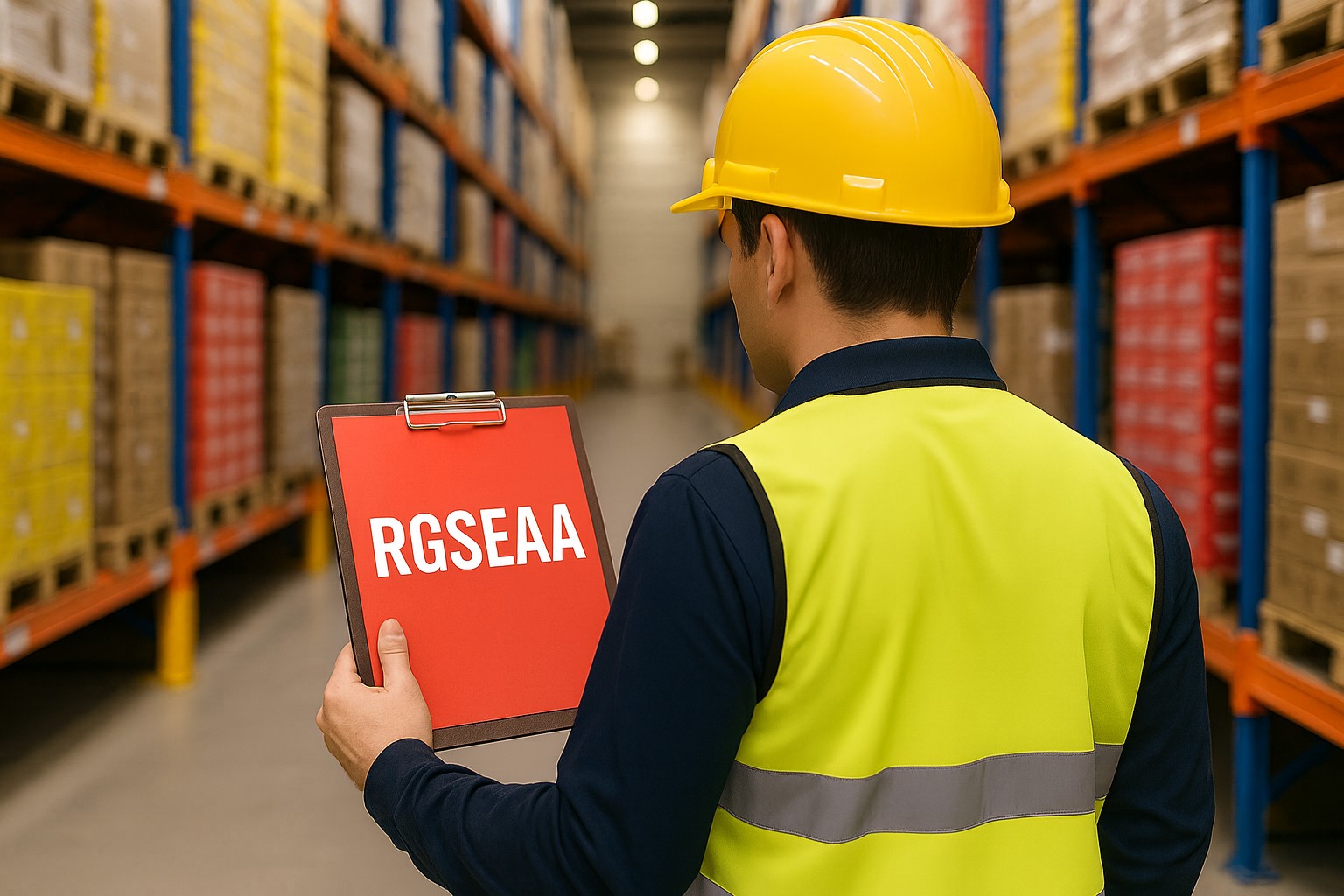
At the foundation is the Registro General Sanitario de Empresas Alimentarias y Alimentos (RGSEAA), regulated by Real Decreto 191/2011. Without this registration, it is not legal to operate as a food importer or wholesaler in Spain. This document proves that the company is supervised by health authorities and meets the necessary conditions to store, handle, or distribute food.
A wholesaler should always request this document from their supplier.

More than just a number on paper

Beyond RGSEAA, we fully comply with all the European and Spanish regulations that guarantee product safety, traceability, and quality:

  • Regulation (EC) 852/2004 and (EU) 2021/382 – Food hygiene and allergen control.
  • Regulation (EC) 1935/2004 and (EU) 2022/1616 – Food contact materials and packaging.
  • Regulation (EC) 2073/2005 – Microbiological criteria.
  • Regulation (EC) 1333/2008 – Approved food additives.
  • Regulation (EC) 1169/2011 – Labelling and consumer information.
  • Regulation (EU) 2023/915 – Maximum limits for contaminants.
  • Law 17/2011 – Food safety and nutrition.

(In our internal file, we also comply with the rest of the specific regulations included in the quality commitment that our clients require: Regulation (EC) 853/2004, Regulation (EC) 1935/2004, Regulation (EC) 2073/2005, Regulation (EC) 1333/2008, Regulation (EC) 450/2009, Regulation (EC) 37/2010, Law 17/2011, Regulation (EC) 10/2011, Regulation (EU) 2021/77, Regulation (EU) 2022/1616, Regulation (EU) 2023/915, Royal Decree 773/2023, Regulation (EU) 2023/648, Regulation (EU) 2018/848 and Royal Decree 833/2014.)

What happens when compliance fails

Working with an importer who doesn’t respect these laws can have serious consequences:

  • Administrative sanctions and fines.
  • Product withdrawal from the market.
  • Damage to your business’s reputation.
  • Economic losses due to retained or destroyed merchandise.

Our commitment

While the goods are in our warehouse, it’s our responsibility that they arrive in perfect condition and in compliance with all regulations. When we hand them over to the transporter, the customer receives a product with guaranteed traceability, labelling and safety.
That’s the difference between working with a reliable importer and one who just moves boxes without assuming responsibility.

In summary

At Red Paralela, we believe that complying with the law isn’t a burden—it’s a competitive advantage. Because whenever we protect the consumer, we also protect our clients’ business.

Key products and exclusivity: don’t let them tie your hands

When key products draw a fine line between strategy and conflict

In the HORECA distribution world, some products change everything. We’re talking about key products—high-turnover items, easily recognized by consumers, that can make the difference between winning or losing a client.

These products help you:

✅ Break into new accounts with an irresistible offer
✅ Protect your existing clients from competitor distributors
✅ Offer a complete service to clients who already buy almost everything from you… except that one product they find cheaper elsewhere

the problem: exclusivity that ties your hands 🚧

Many distributors sign exclusive agreements with brands that later become a trap:

  • The manufacturer itself leaks the product through unofficial channels and breaks the price

  • That same product shows up on platforms like RED PARALELA at lower prices

  • If you buy it elsewhere to protect your margin, the brand may accuse you of breaching the contract

is it legal for an exclusive deal to make you lose money? ⚖️

Spain’s Competition Authority (CNMC) and the courts have said it clearly: exclusivity is only valid if it actually benefits the market, not if it restricts it.

  • Spanish Competition Law (art. 1): bans agreements that limit or distort competition (like forcing you to buy expensive while others sell cheap)

  • EU Regulation 2022/720 (art. 4): if market share exceeds 30%, blocking sales outside your territory is no longer allowed

  • Spanish Civil Code (art. 1255): contracts are valid only if they don’t violate the law or public interest

Plain English: if a brand forces you to buy high and at the same time floods the market with lower prices, that clause is likely invalid—or at least renegotiable.

real cases where courts sided with the distributor 📜

  • STS 317/2017 (Spain’s Supreme Court): the supplier ended deliveries without fair notice; the court granted compensation and forced them to buy back unsold stock

  • STS 305/2007: the manufacturer sold through cheaper, parallel channels; the court ruled in favor of the distributor for lost profits and client base

  • CNMC resolution, 6 Feb 2020 (Case S/DC/0630/18): Adidas was forced to remove restrictions that blocked online sales outside the official store

client base compensation: money to cover the value of customers you generated for the brand.

what can you do as a distributor? 🧠

  1. Review your contracts: watch for clauses that restrict you without real benefit

  2. Document leaks: take screenshots, save unofficial offers, collect proof

  3. Track prices: alternative prices can help you show the harm

  4. Negotiate with facts: share the legal precedents and possible risks with the brand

And if you need access to key products without breaking your structure, RED PARALELA offers you a secure and confidential way to do it—backed by legal support.

conclusion: strategy, not submission 🎯

An exclusive agreement should not become a prison.
A brand that plays in multiple markets can’t demand blind loyalty.
Protect your margins, your client base, and your reputation—with the tools and legal backing already in your corner.

If this situation sounds familiar or you want to discuss your case, get in touch. We’re here to help.

CIPS vs. SWIFT: the new financial showdown that could redraw international trade

China is quietly advancing with a powerful alternative: the CIPS system

While much of global trade still revolves around the U.S. dollar and the SWIFT system, China is quietly advancing with a powerful alternative: the CIPS system. With near-instant transfer times, minimal fees, and a network that now connects almost 5,000 banks in 186 countries, CIPS is no longer a promise—it’s becoming a strategic reality.

And this isn’t about some distant future. In recent months, key countries have joined, a new version has been launched with digital yuan integration, and the signals are clear: if China decides to require its use for exports, many companies and governments will have to adapt—or be left out.

This article doesn’t aim to cause alarm, but to offer a clear view of what is unfolding. It’s not something that directly affects Red Paralela or most HORECA distributors, except for those who import from or export to Asia. But it is a shift that could redefine the ecosystem in which we all operate.

📊 Clear comparison: CIPS vs. SWIFT

Feature CIPS (China) SWIFT (Western consortium)
Year of creation 2015 1973
Main currency Chinese yuan (RMB) U.S. dollar (USD) and others
Transfer speed Near-instant (seconds to minutes) 1 to 3 business days
Costs Low or symbolic High, especially with intermediaries
Connected banks ≈ 4,900 in 186 countries ≈ 11,000 in over 200 countries
Messaging system ISO 20022 (from the start) ISO 20022 (transition in progress)
Intermediaries Few or none Several intermediaries
Geopolitical control People’s Bank of China West (U.S. and allies)
Digital currency integration Yes (digital yuan already tested) No (still under development)
Strategic goal Internationalize the yuan Maintain dollar dominance

🔮 What could happen if CIPS keeps gaining ground?

1. Changes in the way trade works
More international contracts in yuan, more pressure to work with Chinese or Asian banks.
👉 Especially relevant for companies importing from China.

2. Adjustment of international reserves
Central banks will start to diversify: fewer dollars, more yuan.
👉 This could affect the dollar’s value and stability.

3. Pressure on banks and payment platforms
Financial entities that don’t operate with CIPS could be excluded from some operations.
👉 Opportunity for fintechs, risk for slower traditional banks.

4. New economic alliances
CIPS opens the door to trade routes outside the dollar-SWIFT circuit.
👉 Sanctioned countries and China’s partners can boost their independence.

5. Possible Western countermeasures
The U.S. and EU could impose barriers on the use of CIPS or fast-track their own systems.
👉 A financial “cold war” may begin, with global implications.

⚠️ What does this mean for you as a distributor?

At this point, if you don’t work directly with China, there’s no immediate concern. This article is not an operational alert—it’s a global perspective on how the game board is shifting.

But it’s worth keeping on your radar. Because if the dollar loses dominance or trade routes change, the rules of the game may shift for you as well—even indirectly.

🧭 Conclusion

CIPS is not just a payment system. It’s a strategic move to redesign how money flows across the world.
And if it keeps expanding at this pace, we could soon see a fragmented global financial landscape, with two parallel circuits: the dollar-SWIFT system and the yuan-CIPS system.

At Red Paralela, we’ll keep a close eye on these developments. Because even if we don’t export to China, the global economy is a chessboard we all play on… whether we realize it or not.