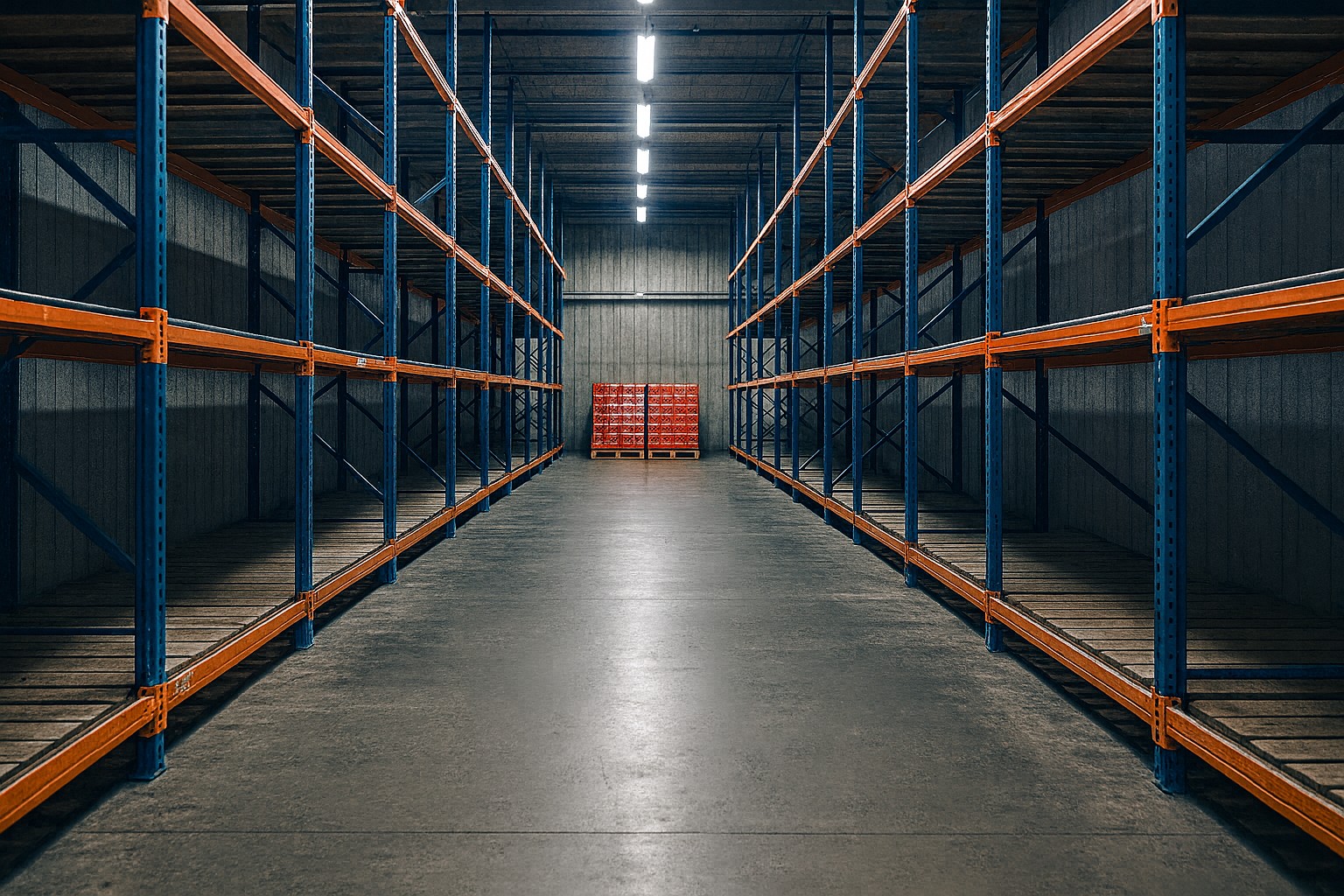
How to clear overstock without devaluing the brand in your own area
Many distributors and sales reps face the same problem: they need to move product, but they can’t afford visible discounts that might damage the brand or create tension with nearby points of sale.
The concern is valid: a badly placed discount can hurt product perception, trigger unwanted comparisons, and—at worst—undermine relationships within the distribution network.
The key is to find a discreet, controlled and profitable channel.
Move overstock without public discounts
With Red Paralela, you can release product without exposing reduced prices in your direct market. This helps you recover liquidity, free up space and protect the brand image in your own area.
This approach is especially useful when you face:
Accumulation of slow-moving SKUs
Packaging or seasonal changes
A need to generate cash quickly without impacting your territory
In summary
Clearing overstock doesn’t have to mean discounting or damaging the brand. You just need a parallel channel—discreet, safe and profitable.
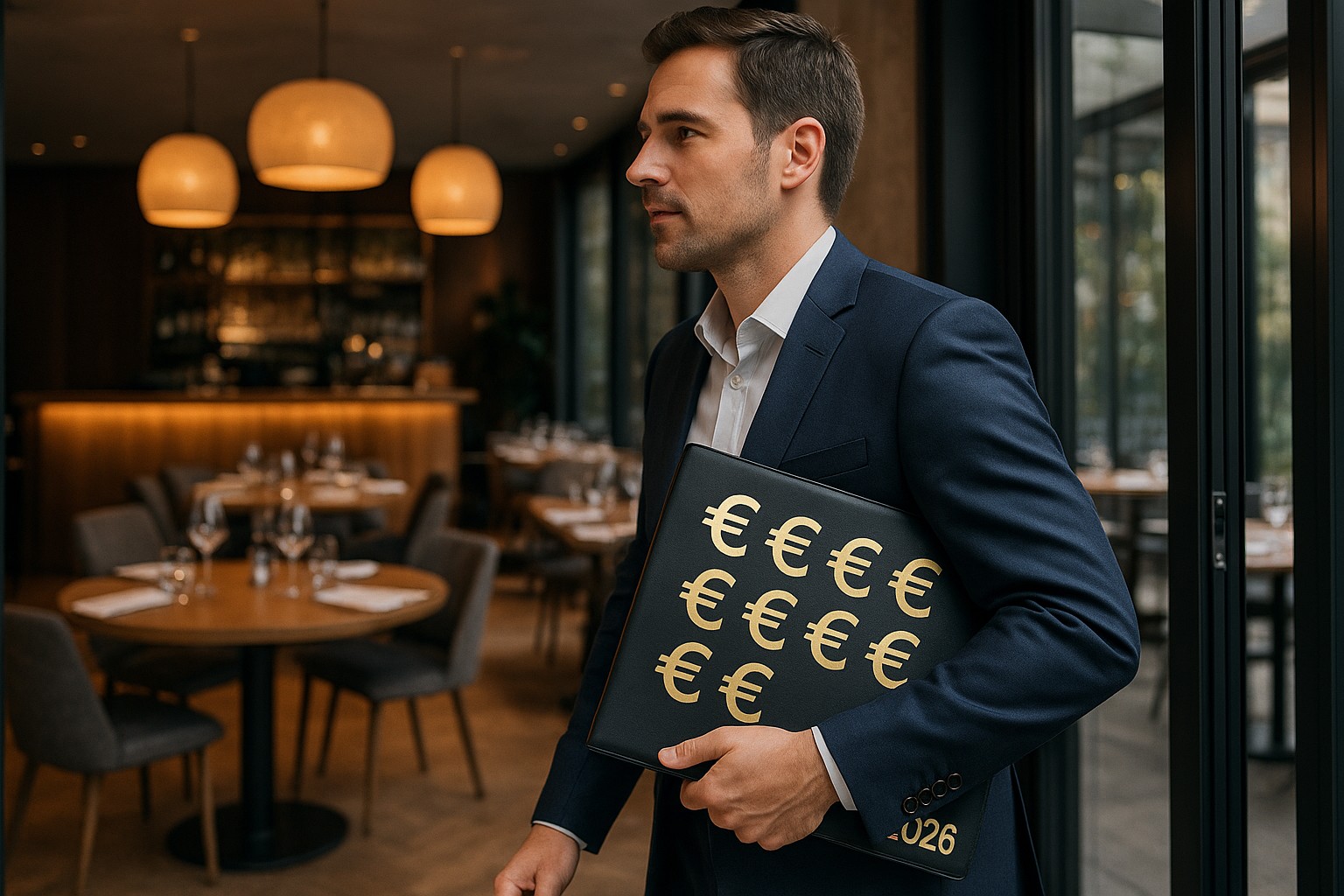
🔒How to safeguard your margin before the year begins
Many distributors start January negotiating under pressure. And that almost always means losing margin, accepting poorly considered conditions, or beginning 2026 with less control than you’d like. Protecting your margin starts with a simple action: closing your negotiation templates before the year ends.
Why it pays to do it now
When you work with closed templates:
You enter January with clear, agreed-upon conditions.
You avoid improvised negotiations that end in unnecessary concessions.
You gain margin visibility for the first quarter.
You strengthen your position with clients who tend to apply strong pressure at the start of the year.
You reduce the risk of accepting conditions that will hurt you throughout 2026.
In short, it’s about avoiding improvisation in the most delicate month of the year. As we often say at Red Paralela in our sessions with distributors: “Starting January with everything agreed is the difference between defending margin or giving it away.”
Practical steps for a distributor
List your key clients (the ones that really move margin).
Define what you want to achieve: final margin, rebates, services, exclusivities.
Prepare clear, closed templates that are easy to validate.
Schedule meetings before Christmas. The sooner, the better.
This preparation saves you trouble and protects your margins for months.
A friendly piece of advice from Red Paralela
Red Paralela doesn’t negotiate on your behalf or participate in your agreements, but we work closely with many distributors and we see the same pattern every year: those who plan ahead negotiate better.
That’s why we insist on this message: closing templates before January is a small action with a huge impact on your 2026 margin.
If you want more practical advice to improve your distribution, stay connected with Red Paralela.
📉What’s Really Happening Before the Price Increases
This winter won’t be easy. Factories are already preparing the 2026 price increase and, to apply it as soon as possible, they’re slowing down sales now. They’re delivering less product, tightening supply, and limiting access. It’s the fastest way to make sure everyone reaches January under the new tariff.
But the parallel market works differently. While factories tighten the flow, opportunities at 2025 prices still appear here—short-lived, quiet, and easy to miss if you’re not paying attention. And that’s the real risk: entering January without having taken advantage of these opportunities and being forced to raise your prices just when demand is at its weakest.
This isn’t about winning margin. It’s about keeping your sales alive during the coldest months. A poorly prepared winter can easily drag on until March and ruin the entire first quarter.
3 practical ideas to buy smart
1) Take opportunities when they appear In the parallel market, good batches don’t wait. They don’t come with long warnings, and they don’t come twice. If you wait until January, factories will already be applying the new prices—and you’ll have no alternative to keep your winter prices stable.
2) Focus on the products that truly keep your business moving This isn’t about speculation. It’s about protecting the references you know your network will sell even in the coldest weeks: – high-rotation soft drinks – standard beer formats – brands that keep moving even at low consumption points Securing these items at 2025 prices is what allows you to keep selling through February without losing pace.
3) Don’t wait for the “official confirmation” of the increase Yes, factories are already announcing price increases. What they’re not saying is how strong they will be: inflation remains high, transportation and logistics costs are up, and producers want to update prices as soon as they can. If you wait until everything is “official,” you’ll be too late. Factories are already slowing down supply precisely to accelerate the transition to higher prices.
If you want to know what’s moving—and what will move—in the parallel market, get in touch with our commercial team.
This winter, the difference isn’t who buys cheaper… it’s who can keep selling while everyone else slows down
The end of the year is approaching and you’re still short of the volume you need to reach your annual rebate. Your HORECA clients are already stocked, your sales network is stable, and pushing discounts now would only hurt you: lost margin, damaged image, and a market that takes months to fix afterward.
The truth is: you can close the year well without breaking anything. And you have two clean paths to do it.
1. Add value without touching your prices You don’t need to force product out the door. Build smart proposals: assortments aligned with real consumption, rotation-friendly packs, or punctual incentives that don’t distort your pricing. You maintain your positioning and protect your sales network.
2. And when real volume doesn’t get you there… Red Paralela steps in This is how many distributors close their rebate quietly, cleanly, and with zero consequences.
You need extra volume to reach your rebate.
Another distributor has already achieved theirs and doesn’t want to increase their figure any further (because the supplier will use that figure to set next year’s rebate).
Red Paralela acts as the intermediary:
they buy the stock from the distributor who hasn’t reached the rebate yet,
they resell it to the distributor who already has,
and they ensure neither party is exposed or even knows who is on the other side.
Nobody knows who sells. Nobody knows who buys. Not the supplier, not the sales team, not the competition. No explanations. No uncomfortable calls. No one pulling your ears.
You hit your rebate. The other distributor earns extra margin without risk. And your market stays untouched.
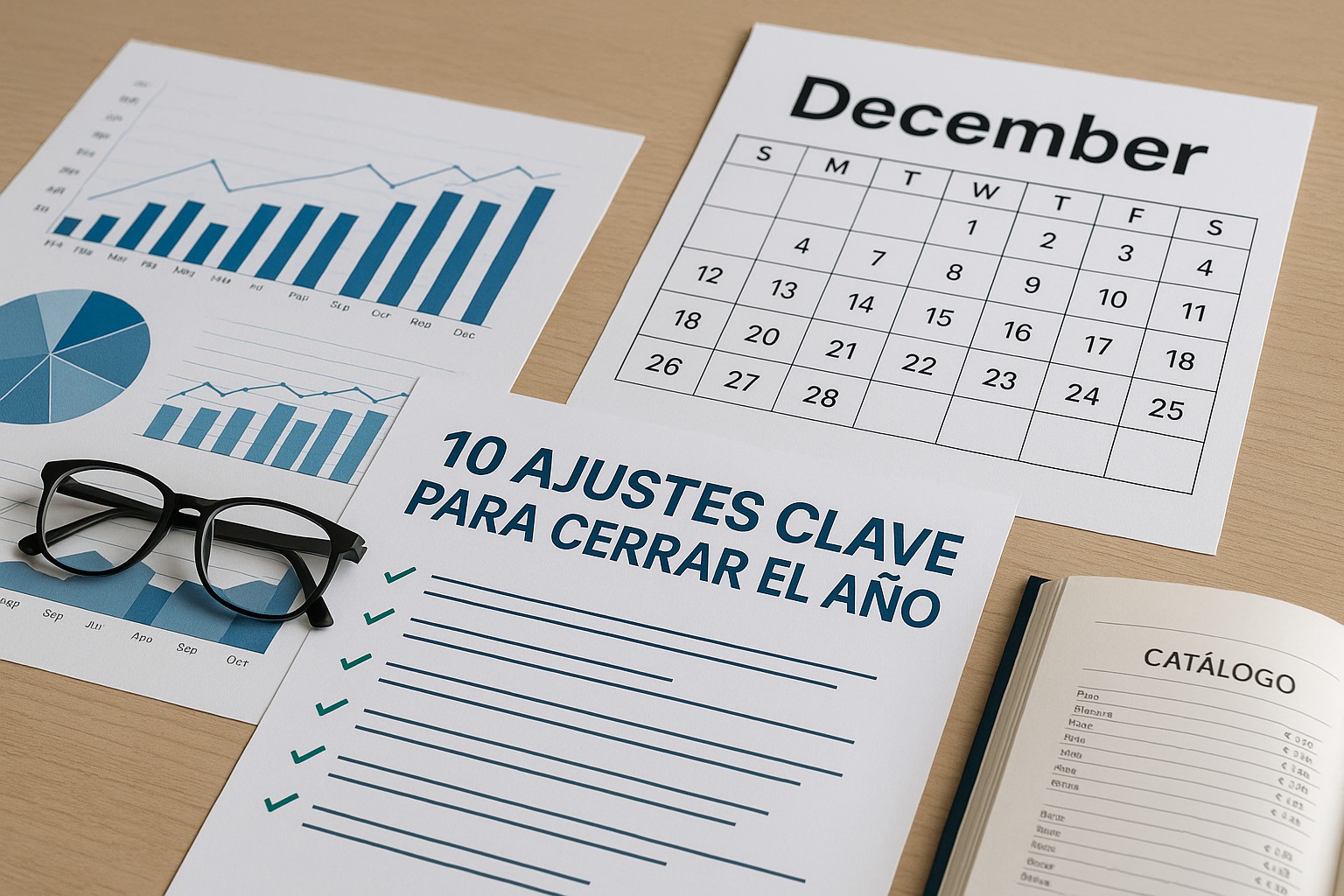
The end of the year is approaching, and for distributors selling to the HORECA channel, this is the perfect time to fine-tune operations, optimize performance, and prepare the ground to start 2026 strong.
We’re not talking about aggressive discounts or clearing stock at any cost. We’re talking about strategy, foresight, and concrete actions that can improve your liquidity, help you achieve your year-end bonuses, and strengthen your purchasing power for the year ahead.
✅ 1. Prioritize products with expected price increases Do you have items that are likely to increase in price in 2026? Move them before the year closes. This boosts stock rotation, generates liquidity, and lets your customers benefit from buying ahead of price hikes.
✅ 2. Reduce stock strategically (without eroding margins) Avoid internal promotions that hurt your market positioning. Use B2B channels like Red Paralela to sell part of your inventory without visible discounts or brand devaluation.
✅ 3. Clean up pending collections Liquidity isn’t just about selling—it’s also about collecting on time. Review outstanding invoices and negotiate early. Better now than in January, when cash flow tightens for everyone.
✅ 4. Prepare your 2026 price lists and catalogs Take the time to review margins, include new products, and finalize your commercial materials. This will give you agility and a competitive advantage at the start of the year.
✅ 5. Close negotiation frameworks with key customers Don’t wait until the last minute. Agreeing on framework conditions now (volumes, prices, exclusivities) provides predictability for both sides and positions you more strongly against competitors.
✅ 6. Remove dead or slow-moving items Do a quick analysis: which products have been sitting too long in your warehouse? Free up space and capital to focus on the items that truly drive your business.
✅ 7. Review conditions with your suppliers If you’re ending the year with good liquidity, use it to your advantage—negotiate better payment terms, bonuses, or exclusivity agreements for 2026.
✅ 8. Spot buying opportunities with a long-term view Many distributors liquidate stock in December. If you buy smart now, you can start 2026 with branded products at 2025 prices, improving your margins from day one.
✅ 9. Sell stock to reach your year-end bonuses Are you just a few thousand euros short of your annual bonus target? Selling that stock through Red Paralela can give you the final push without stressing your usual sales channels or cutting prices publicly.
✅ 10. Buy on Red Paralela with a strategic mindset Red Paralela is also a channel for opportunity purchases: access branded lots with genuine discounts and full security. What’s a good purchase today will be an even better margin tomorrow.
Conclusion: Closing the year well means starting the next one stronger
These adjustments aren’t just administrative tasks—they’re strategic decisions that make the difference between a tight year-end and a commercially solid one with strong liquidity.
If you want to sell part of your stock to meet your year-end goals, or spot great buying opportunities to start 2026 with an advantage, Red Paralela is your commercial ally.
Want to close the year with liquidity and stronger purchasing power?
For years, the HORECA distribution business has been its own world: personal relationships, fixed delivery routes, and trust built order by order. But the market is shifting, and there are clear signs that Amazon is setting its sights on this channel.
As of today, in Spain Amazon does not operate as a wholesale distributor of beverages or food for the hospitality sector, but in countries like the United Kingdom and the United States, it has already started doing so, offering B2B pricing, fast delivery, and volume discounts on categories very similar to those handled by professional distributors.
Could it happen here? Yes — and the smartest response is not to fear it, but to prepare in advance.
🔍 What’s Happening Abroad
In the UK and the US, Amazon Business already offers a product catalog tailored to professional buyers: beverages, consumables, cleaning products, utensils, and light kitchen equipment, all with fast delivery and visible pricing.
The key change isn’t the product itself — it’s the buying habit. Bars and restaurants are getting used to ordering directly online, without calling their usual distributor. So far, this trend focuses on easy-to-handle items — soft drinks, bottled water, disposables — but it clearly shows where things may be headed.
⚙️ Why Spain Is Still Different
There are several factors slowing down Amazon’s direct entry into the Spanish HORECA market. Alcohol regulations and product traceability require specific licenses and fiscal control. Cold chain logistics and pre-service deliveries are complex and costly to replicate. And the strength of local distributors — relationships built on trust and proximity — still outweighs price alone.
All of this slows down the process, but it doesn’t stop it. Amazon tends to enter through the simplest categories… and it gains ground little by little.
💡 What HORECA Distributors Should Be Doing Now
This is a time for reflection, not reaction. Here are some key strategies that can make the difference when change arrives.
1. Strengthen relationships with your clients. Understand their habits, listen to what they really value, and maintain close contact. A bar might try Amazon once out of curiosity, but they’ll stay loyal to the distributor who solves problems at eight in the morning.
2. Improve efficiency and stock rotation. You don’t need to sell cheaper — you need to sell smarter: control stock, optimize routes, avoid immobilized inventory, and focus on fast-moving products.
3. Make online ordering available — but through you. If bars want the convenience of online shopping, let them have it with you, not Amazon. A simple online order form or mobile app doesn’t replace personal service — it enhances it. Let your customers place orders whenever they want, knowing that there’s still a person behind the system who understands their business.
4. Diversify your product range and add value. Broaden your assortment, include complementary products, and anticipate your clients’ needs. Amazon sells standard; the distributor wins when offering tailored solutions.
5. Invest in visibility and communication. Show professionalism online too: keep your catalog updated, respond quickly, and communicate clearly. When a bar sees its distributor as a modern, reliable partner, it has no reason to look elsewhere.
🔎 In Summary
Amazon does not yet sell beverages wholesale in Spain, but the model will come — sooner or later. And when it does, distributors who have already adapted — those combining personal service with digital agility — will have the upper hand.
The future isn’t about choosing between traditional or digital approaches, but about combining both worlds. Distributors who understand this in time will remain indispensable players in the HORECA channel, even when Amazon knocks on the door.
How to Use Your Database for Targeted Campaigns That Drive Real Sales
Most Horeca distributors have a customer and prospect database, but very few use it strategically. The result: generic campaigns that don’t create impact, offers sent to the wrong people, and unnecessary commercial effort. The good news is that with basic segmentation and smart use of communication channels, you can multiply the effectiveness of your commercial actions.
1. Clean and organize your database
A messy list is impossible to take advantage of. Before thinking about campaigns, make sure your database is up to date:
Remove duplicates.
Complete essential details (venue name, type of business, contact person, email/phone).
Update inactive or closed customers. 👉 A clean database is worth more than a huge one full of noise.
2. Define relevant segmentation criteria
Not all Horeca clients are the same. The most useful criteria include:
Type of venue: bar, restaurant, hotel, nightclub…
Purchase volume: large, medium, or small customers.
Key products: beer, soft drinks, spirits, wines… 👉 Segmentation means adapting the message to each group.
3. The sales rep: the core of communication
In Horeca, the sales rep (commercial visit) is the main communication channel. Nobody questions its importance: they build trust, take orders, and detect daily needs. But the mistake is to depend solely on them. Today customers expect immediacy and multiple contact points. This is where segmentation becomes more valuable, because it allows the sales rep to rely on other channels to deliver sharper messages.
4. Complementary channels to the sales rep
WhatsApp / Direct Messaging
Ideal for confirming orders, sending urgent promotions, or keeping contact alive.
Very effective because bar and restaurant owners check it constantly.
Recommendation: don’t spam, personalize, and coordinate with the sales rep.
Segmented Email
Perfect for reinforcing campaigns: digital catalogs, seasonal updates, reminders.
Less intrusive than WhatsApp and works as supporting documentation.
Best used when linked to clear segments (e.g. “winter hotels”).
Occasional Phone Call
Useful for medium or small clients who don’t get frequent visits.
Activates purchases at key times (before a holiday, local events, or peak season).
Social Media
Not a direct sales channel, but effective for positioning.
Reinforces the distributor’s image, gives visibility to brands, and builds market trust. 👉 The key is combining all channels: the sales rep at the core, WhatsApp and phone as agile support, email as reinforcement, and social media as the showcase.
5. Create campaigns tailored to each segment
Instead of sending the same offer to everyone, adjust your proposal:
To cocktail bars: promotions on spirits for weekends.
To restaurants: wine and beer packs designed to pair with menus.
To hotels: special conditions for events or peak season. 👉 Real example: a summer beer promotion sent only to venues with terraces had 40% more orders than the mass mailing the previous year.
6. Use your CRM as an ally, not just a file
A CRM (or even a well-structured Excel) lets you:
Tag clients by segment.
Schedule reminders for follow-ups.
Measure the response to each campaign. 👉 The point is not just to have data, but to use it to decide how and through which channel to communicate.
7. Measure results and improve each time
After every campaign:
Which segment responded best?
Which channel was most effective?
Which message generated more orders? 👉 Only by measuring can you refine the next action and make it more profitable.
Conclusion
Commercial segmentation is not extra work: it’s the smartest way to sell more without spending more. The sales rep will remain the engine of your business, but if you support them with segmented digital channels, each visit and every contact will have much more impact.
In HORECA distribution, summer is usually the decisive period. Hospitality consumption soars, and margins grow, partly because customers prioritize service over price. But what happens when the summer has been weaker than expected? The immediate question is: will the accumulated margin be enough to close the year positively?
How to Calculate the Commercial Margin Correctly
The gross margin (selling price minus purchase price) is insufficient for a distributor. The correct approach is to work with the net margin on sales, also deducting logistics, rebates, discounts, and operating costs. Only then do we obtain the real picture of what each euro sold actually contributes.
Seasonality as a Risk
Seasonality acts like a “cushion.” The gains made during the strong months — primarily summer in HORECA — should cover the drop in sales during autumn and winter. When summer has been weak, that cushion shrinks or disappears, forcing a cold analysis of the accumulated numbers up to September.
How to Know if We Will Close the Year Positively
The practical way is to compare the accumulated margin to date with the remaining annual fixed costs. If what has been achieved up to September, plus the forecast for the lower-consumption months, covers costs and leaves a profit, the year will be saved. If not, corrective action must be taken immediately.
Corrective Strategies (Short Term)
When summer does not leave enough extra margin, immediate measures should focus on:
Adjusting purchases and stock to free up cash and avoid immobilized capital.
Reviewing rebates and supplier conditions, negotiating better payment terms or early purchase discounts.
Optimizing logistics routes to reduce empty kilometers and improve efficiency.
Tightening credit control and reinforcing collection management.
Increasing commercial activity: more frequent client visits, upselling, and capturing new points of sale.
Seasonal Diversification (Medium and Long Term)
Beyond immediate reactions, the best way to soften the effects of seasonality is to diversify:
Incorporate channels less dependent on summer tourism: vending, catering, offices, gyms.
Develop agreements with clients who maintain strong activity outside the summer season (hospitals, schools, catering companies).
The Role of Analytical Accounting
Looking only at the global margin is not enough. Analytical accounting by departments (purchasing, sales, logistics, promotions, administration) allows precise detection of where deviations occur:
Purchasing: Have volume rebates been lost? Was stock purchased too expensively compared to the market?
Sales: Were there excessive discounts or promotions that cut into margin?
Logistics: Have costs increased due to poorly optimized routes or returns?
Administration: Are fixed costs growing faster than revenue?
With this analytical view, distributors can make corrective decisions month by month instead of discovering the problem at year-end. Even after a weak summer, there is still time to adjust course and ensure the year ends positively.
Conclusion
The commercial margin is not measured in a month or a quarter. It is measured over the full year. When summer falls short of expectations, distributors must react quickly, review accumulated results, apply immediate corrective actions, and work on medium-term diversification. Only then can the final picture of the year be positive, beyond the ups and downs of seasonality.
In Spain, health authorities have the power to seize goods and sanction the distributor when products do not comply with labeling regulations. This often creates confusion: in your wholesale warehouse inspections are rare, but once you deliver to a client (bar, restaurant, or shop) the goods are already in circulation — and that’s where problems may arise.
Who can seize and sanction?
Food control responsibilities are transferred to the autonomous communities, usually through:
Health or Food Safety Inspection Services (regional health departments).
Regional consumer or public health agencies.
In some cases, municipal inspectors (local public health).
The Ministry of Health coordinates criteria, but enforcement is regional.
How high are the fines?
Minor: €600 to €3,000.
Serious: €3,001 to €15,000.
Very serious: up to €600,000 in cases of health risk or repeat offenses.
Beyond the fine, seizure means you cannot sell the product until labeling is corrected, with the associated economic and reputational damage.
“The food business operator responsible for the food information is the one under whose name or business name the food is marketed.” 👉 If you are an importer or parallel distributor, you are responsible for ensuring the label is applied and compliant.
Article 9 – Mandatory information
Name of the food, list of ingredients, allergens, net quantity, expiry date or minimum durability, storage and use conditions, business name and address of the responsible operator in the EU, country of origin (when required), production lot, and alcoholic strength (>1.2%).
Article 12 – Availability and location of information
“Mandatory food information shall be available and easily accessible for all foods.”
Article 13 – Presentation of information
“Mandatory food information shall appear in a prominent place, easily visible, clearly legible, and indelible. It shall not be hidden, obscured, or separated by other indications or images.” 👉 This rules out handing out loose labels: the information must already be affixed to the package at the time of circulation.
Article 15 – Language In Spain, Spanish is mandatory. In regions with a co-official language, that language may also be required.
Box, sales unit, and loose labels
Wholesale box/unit: if this is the unit sold to the HORECA channel and the items inside are already compliant, labeling the box is sufficient.
Consumer units (bottles, cans): must be re-labeled if they don’t comply (e.g., imports without Spanish).
Sign in the establishment: does not replace labeling on the package, it only serves as extra information.
Handing loose labels to the client:not legally valid. If an inspection occurs before the retailer applies them, the fine is for the wholesaler. The information must travel with the product, visible and affixed.
Our solution at Red Paralela
Many wholesalers lack the means to properly re-label imported or parallel-market products. That’s why at Red Paralela we can re-label according to the law before delivery to the client. This way you avoid:
Surprise seizures during inspections.
Unnecessary fines.
Risks of complaints from competitors.
In summary
Regional health authorities can seize and sanction.
The labeling must already be on the goods when they leave the wholesaler.
Handing out loose labels doesn’t work: Articles 12 and 13 of the Regulation make that clear.
Red Paralela can handle re-labeling so your goods circulate without risks.
More and more bars, restaurants and hotels are valuing sustainability in the supply chain. For a HORECA wholesaler, choosing the right suppliers of water, beer and soft drinks not only affects the planet: it also strengthens the distributor’s image in front of clients. The key question is: what makes more sense, supporting the recycling of single-use packaging or betting on returnable containers? The answer depends on very specific factors that are worth knowing.
Quick recommendation
Most sustainable: steel kegs for beer and tanks for soft drinks. They last for years, can be reused dozens or even hundreds of times, and at the end of their life they can be fully recycled. Good option: returnable glass, as long as each bottle is reused at least 20–25 times and the return logistics are efficient (taking advantage of trucks on their way back). Reasonable alternatives: aluminum cans with a high recycled content and PET plastic bottles with rPET (recycled plastic). Last option: single-use glass, even if recycled, because it is heavy and requires a lot of energy to be manufactured again.
How packaging sustainability is measured
To compare packaging, it’s not enough to check whether it can be recycled or not. Experts use what’s called a life cycle analysis: this means studying the entire life of the container, from production, transport and use, to its reuse, recycling or disposal. With this complete view, we can see that: returnable glass wins in sustainability when reused many times and when it doesn’t create empty trips. Single-use glass, even if recycled, always starts at a disadvantage because of its weight and the heat required to remelt it. Aluminum cans are competitive because they are widely recycled and save a large amount of energy. PET plastic with rPET (recycled) is lighter and can be a better option than single-use glass.
What happens in Spain
Coca-Cola: its returnable glass bottles are designed to be reused up to 25 times. Estrella Damm: states that its bottles can exceed 30 reuses and that around 65% of its containers in hospitality are returnable. Mahou San Miguel: reports that more than 80% of what it sells in hospitality is reusable. Vichy Catalan: offers returnable packaging, although it does not publish figures on reuse. In addition, Spain has 13 glass treatment plants distributed across the territory, which brings the recycling of single-use bottles closer to wholesalers. As for collection, beverage cans exceed 70% and PET plastic bottles are still around 40%, with expectations of improvement in the coming years thanks to the deposit-return system.
Questions you should ask your suppliers
To make decisions with criteria and communicate them to your clients, ask manufacturers for clear information on: the actual number of times their bottles are reused. The percentage of bottles returned versus those that are lost or broken. Water and energy consumption in the washing processes. Percentage of recycled glass in single-use bottles. Percentage of recycled aluminum in cans. Percentage of recycled plastic (rPET) in PET bottles. How they organize return logistics to ensure there are no empty trips.
Conclusion
In the HORECA sector, the best bet is to prioritize reuse: kegs and tanks first, followed by returnable glass bottles with sufficient life cycles and efficient return logistics. When it is not possible to guarantee these requirements, choose aluminum cans with high recycled content or PET bottles with rPET, leaving single-use glass as the last option. Most importantly: don’t buy blindly. Demand clear data from your suppliers on reuse, recycling and resource consumption. That way you will make more sustainable decisions and show your clients that your distribution company is up to what the future requires.
Final question
And now that you’ve made it this far, here comes the tough part: your competitiveness in the market. So let me ask you:
Is it sustainable for your business to apply all this?
Because you know that if your prices aren’t competitive and all this sustainability ends up ruining you because you can’t sell, then none of it will be worth it.