In the world of buying and selling first-brand stock—especially between wholesalers and importers—one reality that few mention is clear: not everyone complies with food regulations. And when that happens, the risk doesn’t just fall on the importer—it also falls on the buyer.
As responsible importers, our priority is not just moving product, but ensuring that every batch leaving our warehouse complies with all the laws and regulations that protect consumer health and our clients’ reputation.
The cornerstone: RGSEAA
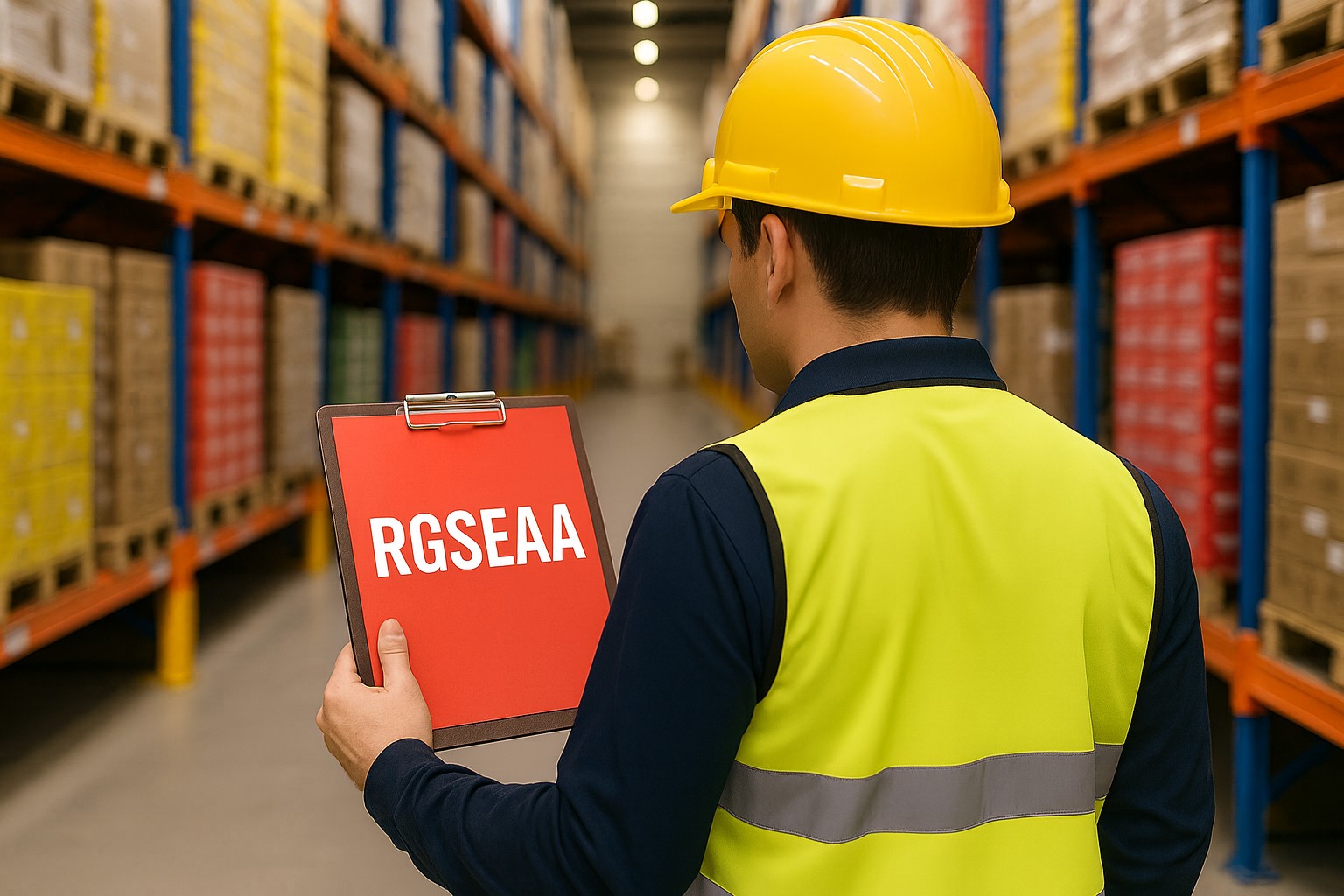
At the foundation is the Registro General Sanitario de Empresas Alimentarias y Alimentos (RGSEAA), regulated by Real Decreto 191/2011. Without this registration, it is not legal to operate as a food importer or wholesaler in Spain. This document proves that the company is supervised by health authorities and meets the necessary conditions to store, handle, or distribute food.
A wholesaler should always request this document from their supplier.
More than just a number on paper
Beyond RGSEAA, we fully comply with all the European and Spanish regulations that guarantee product safety, traceability, and quality:
- Regulation (EC) 852/2004 and (EU) 2021/382 – Food hygiene and allergen control.
- Regulation (EC) 1935/2004 and (EU) 2022/1616 – Food contact materials and packaging.
- Regulation (EC) 2073/2005 – Microbiological criteria.
- Regulation (EC) 1333/2008 – Approved food additives.
- Regulation (EC) 1169/2011 – Labelling and consumer information.
- Regulation (EU) 2023/915 – Maximum limits for contaminants.
- Law 17/2011 – Food safety and nutrition.
(In our internal file, we also comply with the rest of the specific regulations included in the quality commitment that our clients require: Regulation (EC) 853/2004, Regulation (EC) 1935/2004, Regulation (EC) 2073/2005, Regulation (EC) 1333/2008, Regulation (EC) 450/2009, Regulation (EC) 37/2010, Law 17/2011, Regulation (EC) 10/2011, Regulation (EU) 2021/77, Regulation (EU) 2022/1616, Regulation (EU) 2023/915, Royal Decree 773/2023, Regulation (EU) 2023/648, Regulation (EU) 2018/848 and Royal Decree 833/2014.)
What happens when compliance fails
Working with an importer who doesn’t respect these laws can have serious consequences:
- Administrative sanctions and fines.
- Product withdrawal from the market.
- Damage to your business’s reputation.
- Economic losses due to retained or destroyed merchandise.
Our commitment
While the goods are in our warehouse, it’s our responsibility that they arrive in perfect condition and in compliance with all regulations. When we hand them over to the transporter, the customer receives a product with guaranteed traceability, labelling and safety.
That’s the difference between working with a reliable importer and one who just moves boxes without assuming responsibility.
In summary
At Red Paralela, we believe that complying with the law isn’t a burden—it’s a competitive advantage. Because whenever we protect the consumer, we also protect our clients’ business.