

- Shipped
- Reading
- 4 min
The ultimate checklist for distributors before signing
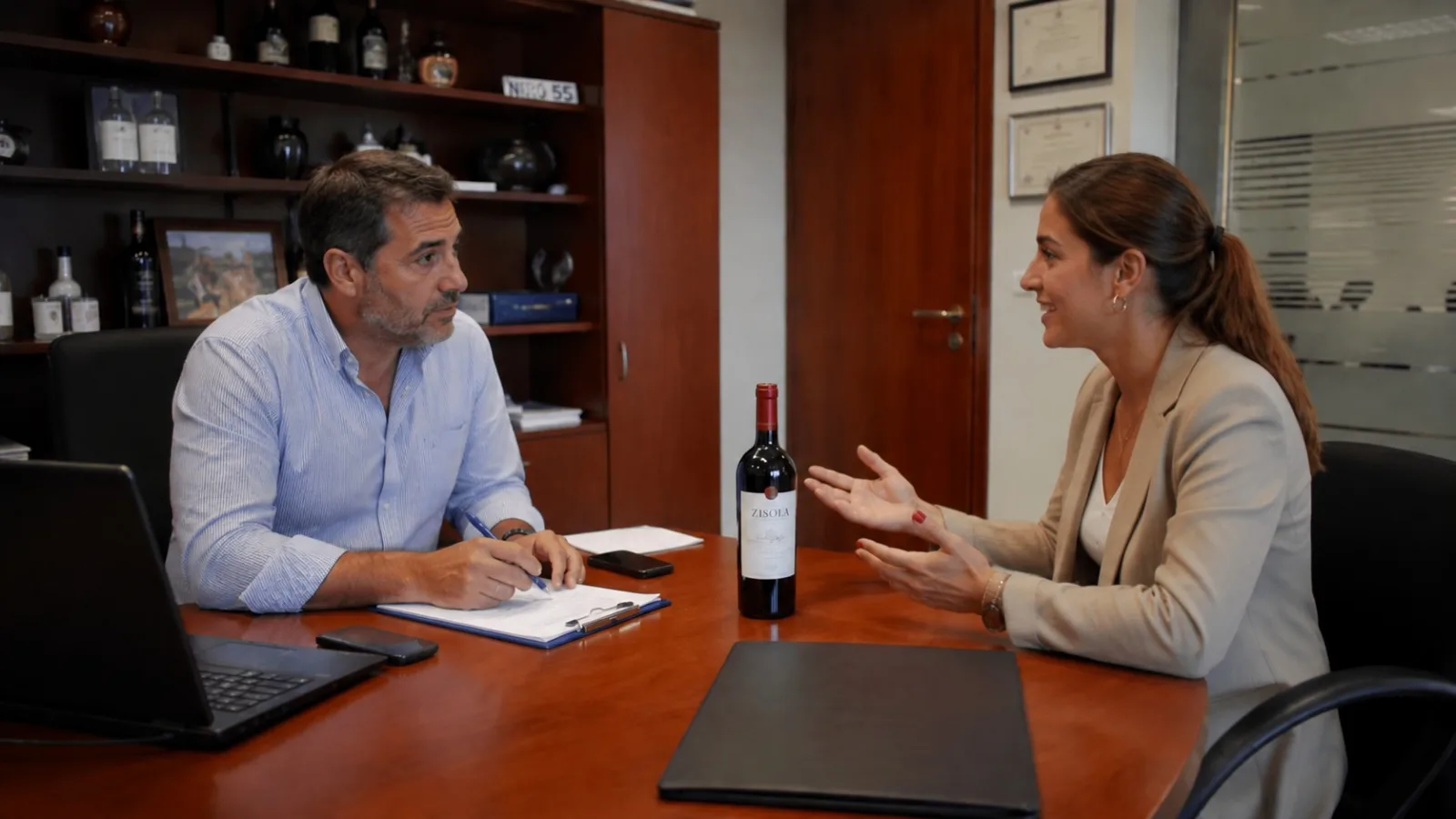
Every week, dozens of manufacturers knock on the door of any wholesale distributor with the "holy grail" of products: the most innovative, the one with the best margin, the one that will sell itself. But in this business, enthusiasm doesn't pay the bills. Taking on a new SKU costs time, warehouse space and the effort of your sales network.
To separate the wheat from the chaff and avoid wasting resources, a distributor cannot decide on gut feeling. It needs a cold, analytical filter.
If you are being offered a new product, before you say "yes" the manufacturer must give satisfactory answers to these 7 critical questions, grouped into three essential blocks:
Block 1: Protecting your territory (Legal)
1. Is there genuine regional exclusivity, guaranteed in writing?
Being told "you're our man in the region" verbally is worth nothing. Exclusivity is not a whim; it is the only way to make sure that the prospecting and positioning work your team puts in isn't exploited three months later by the competitor next door, who simply knocks two cents off the price.
2. Beware the "stonecutter effect": who will sell to the key accounts?
You do the hard work: you open up the market customer by customer, you make the brand visible and then, suddenly, a large hotel chain or a national restaurant group takes an interest in the product.
- The key question: If a corporate account or central purchasing body in my area shows interest in the product, will you respect my position or will you sell to them directly from the factory? If the manufacturer bypasses the distributor for the juicy accounts, it is taking advantage of your work.
Block 2: Viability and "proof of life" (Commercial)
3. What is the real penetration potential in my area?
Not all markets consume in the same way. A product that is a mass-market hit in a coastal or tourist area can be a complete flop in an inland region with different consumption habits. The manufacturer must show that it has studied your local market and isn't going in blind.
4. Can you show me a "sales track record" in a similar area?
Paper and catalogues will put up with anything. A serious manufacturer should provide sell-out data (actual sales to the end customer) from other areas with demographic and commercial characteristics similar to yours. If the product already works in comparable markets, the risk drops considerably.
5. What level of sales support and advertising investment is there?
A distributor is not a marketing agency; it is a logistics and commercial partner. If the manufacturer expects you to fund the work of building awareness of its brand, that's a bad sign.
- What you should demand: Will there be digital advertising campaigns targeting the area? Will we be supplied with POS (point-of-sale) material, free samples for the sales reps to show, or specific training for the sales team?
Block 3: Mitigating risk (Financial)
6. What is your returns policy if the product doesn't sell?
Taking on 100% of the stock risk for an unknown product is reckless. If, after 3 or 6 months of sales effort, the product doesn't move because of factors outside the distributor's control (for example, the end consumer simply doesn't take to it), there has to be a safety net.
- The ideal agreement: Negotiate a buy-back or return clause for obsolete or slow-moving stock during the first year, so that the launch risk is shared.
7. Does the contract penalise failures on the manufacturer's side?
A serious contract must be a two-way shield. It should specify what happens if the manufacturer runs out of stock and leaves you stranded with your customers, or what compensation you are entitled to if it breaks the agreement unilaterally after you have established its brand in the market.
📌 The quick pre-signing checklist:
- [ ] Exclusivity: Is the territory defined with pinpoint precision in the contract?
- [ ] Key accounts: Is direct factory selling in my territory explicitly excluded?
- [ ] Track record: Has the manufacturer shown with data that the product already sells in similar areas?
- [ ] Marketing: Is there a budget allocated for samples, advertising and sales support?
- [ ] Security: Is there a return or credit policy for stock that doesn't move?
- [ ] Guarantees: Are the required purchase targets realistic and progressive?
Conclusion: combine intuition with cold analysis
Taking on a new product is an investment in the future. The manufacturer supplies the goods, but the distributor contributes its most valuable assets: the trust of its customer portfolio, its sales force and its logistical reach.
Don't give away your structure to run someone else's launch campaign for free. If the manufacturer truly believes in its product, has a solid marketing plan and respects your business, it will have no problem signing an agreement that protects, supports and shares the risk between both parties. Otherwise, it's better to let the "opportunity" pass.