

- Dock
- Parallel market
- Shipped
- Reading
- 3 min
Understanding the parallel or grey market: a smart defence for HORECA distributors
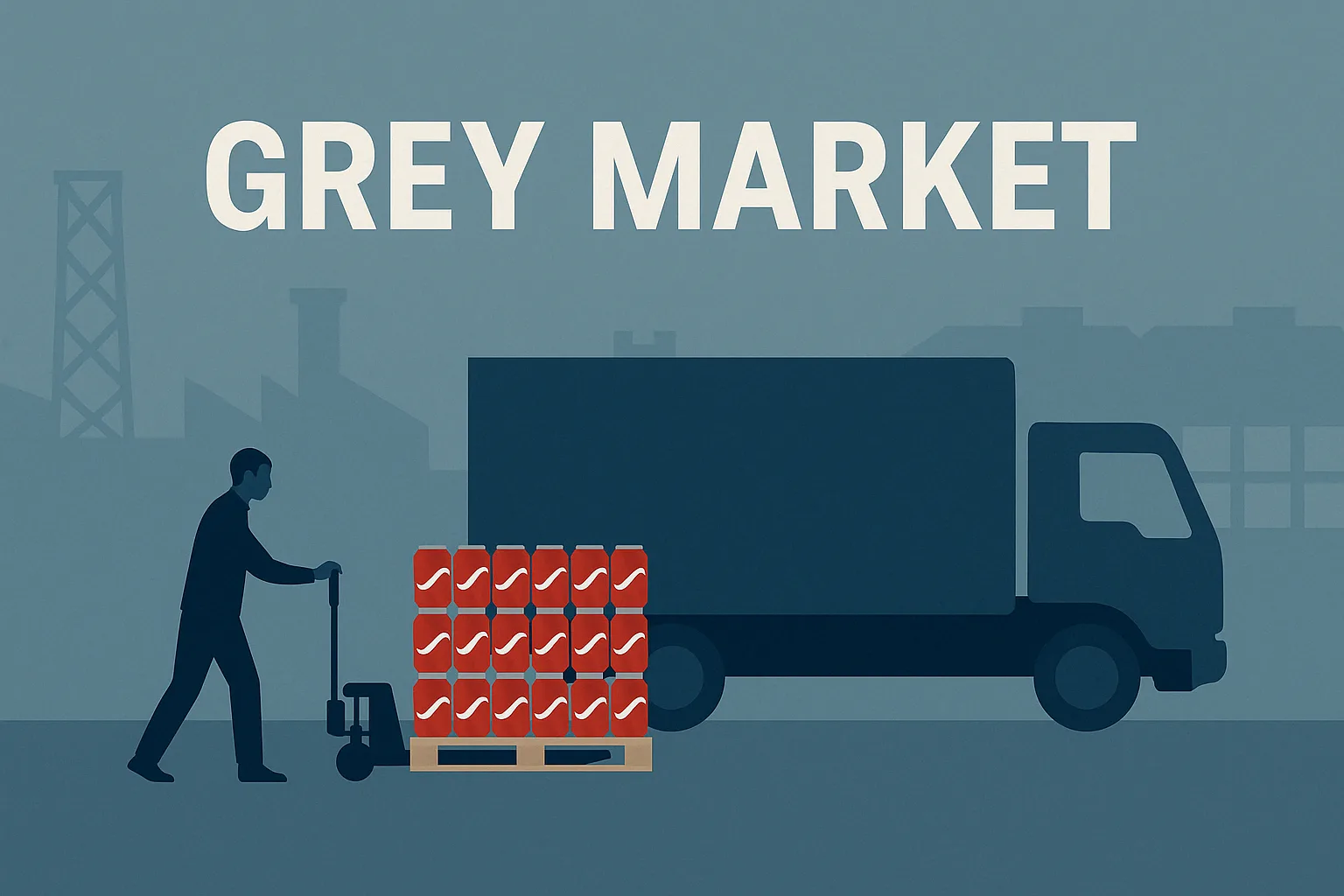
In HORECA distribution, where the pressure to meet customer demand never lets up, access to certain leading-brand products can make the difference between keeping, winning or losing a customer.
The parallel market, also known as the grey market, offers a legal, efficient and increasingly strategic route for distributors who want to compete on a level playing field without being held back by the rigidities of the official channel.
🔍 What is the grey market or parallel market?
It is the trade in original, genuine products outside the distribution channels authorised by the brand.
These aren't counterfeit or illegal products. They are legitimate products that, for various reasons, reach the market through alternative networks, often more agile and competitive than the official channel.
🎯 Why does it exist and why is it necessary?
Because the official channel is usually designed to benefit the brand, not the distributor. This leads to situations such as:
- Lack of product availability in certain areas.
- No access to competitive prices for "unofficial" distributors.
- Price differences between countries or regions.
In this context, the parallel market acts as a means of compensation, efficiency and balance.

🛡️ Real advantages for the distributor
For a HORECA distributor, the parallel market isn't a shortcut; it's a tool for defence and positioning that offers advantages that are hard to match:
✔️ You give your customers better service by having all the products they need.
✔️ You stop your competitors from breaking into your customer base with important products you don't have in your portfolio.
✔️ You get more competitive prices and improve your margins.
✔️ You increase your buying power and your negotiating strength.
✔️ You escape the brands' direct control: they can no longer set limits for you or know your real sales volume.
✔️ You avoid arbitrary restrictions, gaining room for manoeuvre.
And all with legal, original products and complete confidentiality.
🧨 Distortions caused by the official channel
Sometimes it is the brands themselves that covertly feed the parallel market:
- They launch special offers in areas where their sales have fallen, knowing full well that those products will leave that territory.
- They inflate sales in an area where they hardly sell, to show market presence and so boost the value of their brand.
The result: the product ends up being sold in active areas, breaking margins and creating conflict between distributors who are doing their job properly.
Here, the parallel market serves a logical purpose: absorbing that imbalance and restoring balance to a network that has been artificially strained.
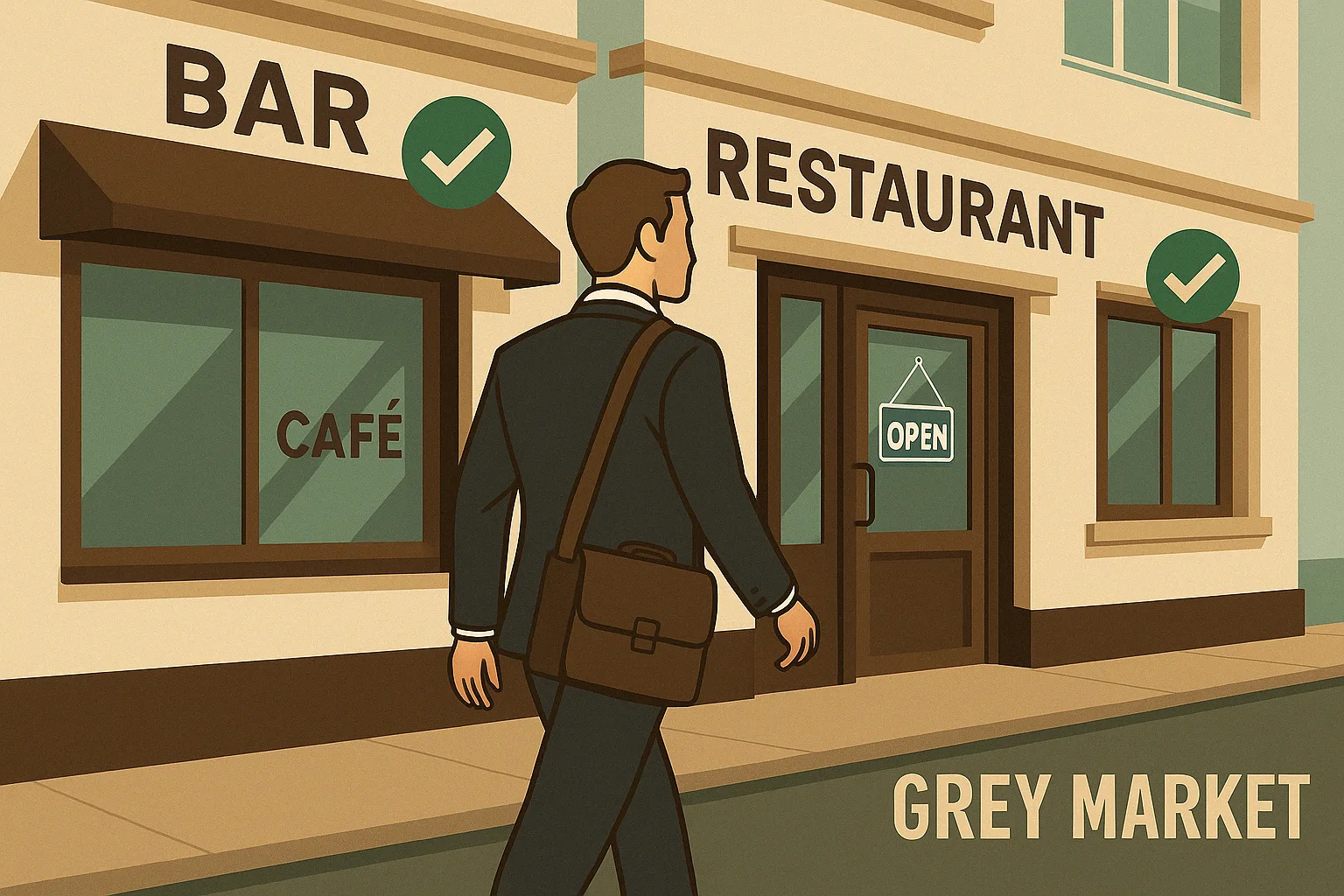
🧠 Is it good for the brand to strain the market like this?
From the outside, it may look as if the parallel market harms brands. But in reality, it is often the brand itself that feeds it indirectly. Why? Because:
- It lets unofficial distributors access its products, so the brand reaches every point of sale, including those its official network can't reach.
- It pushes official distributors to be more competitive, cutting margins or forcing better service.
- It fills territorial gaps the official channel doesn't cover, without having to change its sales structure or its distribution policy.
In short, the parallel market helps the brand be present at every key point without giving up the exclusivity message of its official channel.
A strategy as old as it is current, which keeps up commercial pressure on the market and, at the same time, makes it harder for competing brands to break in.
The parallel market doesn't weaken the brand; it strengthens it.
💬 Would you like to add a comment? We'll read you on our LinkedIn.