

- Shipped
- Reading
- 2 min
Subsidiary liability for VAT in Spain
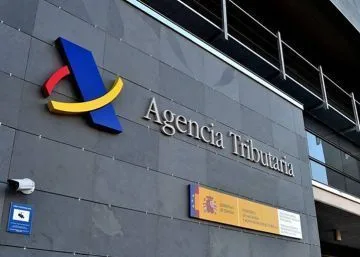
This is nothing new, but since not everyone takes it into account, we think it's worth spreading the word.
These four questions will tell you whether or not your company could be pursued by Hacienda (the Spanish tax authority) for subsidiary liability for IVA (Spanish VAT):
- When you go to buy a product imported from the EEA (European Economic Area), are you sometimes offered prices that are noticeably lower than normal?
- Are the companies offering you those prices well-established, with a clear and recognised track record?
- Have those companies been importing for years?
- Have you bought from those companies even though you had the strange feeling that something didn't add up?
If your answers were yes/no/no/yes, or an unsettling feeling has just taken hold of your stomach, your company could be pursued by Hacienda to pay the VAT that those companies may have evaded.
How did they evade it?
A company whose director is a front man (an insolvent person) buys products within the EEA. These purchases are always made without VAT, because that is how the rules work for purchases between EEA countries. The company then sells those products to other Spanish companies, charging the corresponding VAT, but at or close to cost price. They operate like this for a few months and never declare the VAT to Hacienda: they keep it. Then they close the company and the front man disappears along with the evaded VAT.
And what does Hacienda do when it finds out months later?
It claims the money through inspections of the companies that benefited from those noticeably lower prices. Let's not forget that we ourselves will have reported to Hacienda that we bought from those companies.
Sometimes there may be another company in between that buys and sells on very tight margins, so the price no longer looks like such a "bargain", but that doesn't mean it isn't part of the scheme, perhaps unwittingly.
And what is carousel fraud?
In Hacienda's jargon, the importing company is called the Trucha ("trout", the missing trader), and the intermediaries down the chain to the consumer are called Pantalla ("screen", the buffer companies).
Carousel fraud happens when a Pantalla exports the goods to another EEA country and asks Hacienda for a VAT refund. The fraud cycle can then start all over again. In some cases this has been done without the goods even existing.
Let's hope that with the new electronic invoice reporting system (SII, Sistema Inmediato de Información, Spain's Immediate Supply of Information system) this nightmare will soon be over, and that "bargain" prices and their consequences will disappear once and for all.
Until then…
BE CAREFUL
And remember that at Red Paralela we have been doing things properly since 1992.
Ley 371992, de 28 de diciembre, del Impuesto sobre el Valor Añadido (Spain's VAT Act of 28 December 1992).Download