

- Shipped
- Reading
- 2 min
The end of delivery as we know it
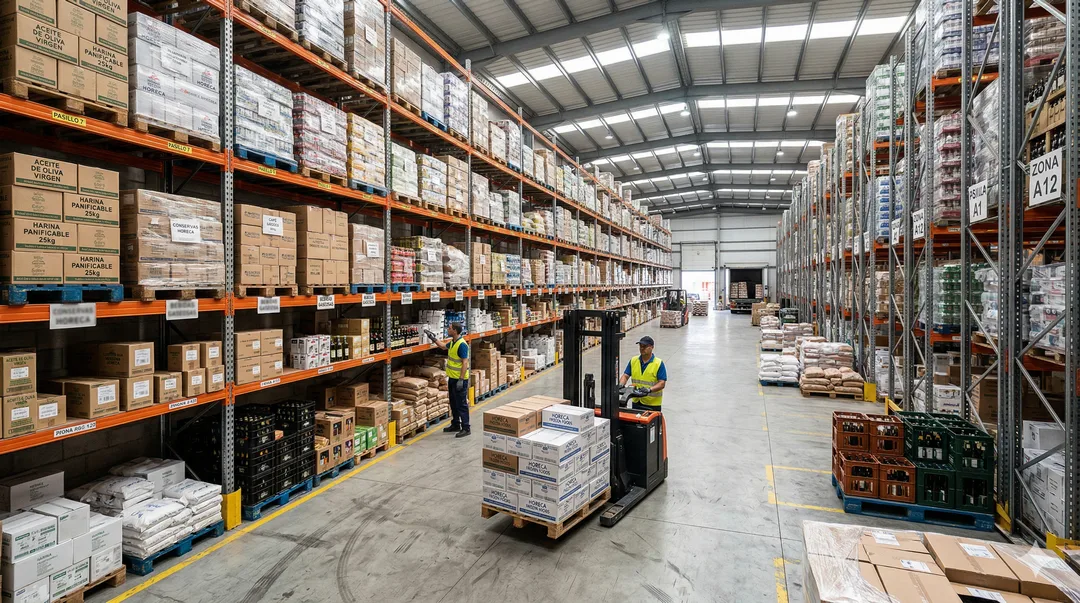
Towards a "Single Operator"? A hypothesis on the end of goods delivery as we know it
If you look out onto any busy street in a big city at ten in the morning today, you'll see a scene that would be almost comical if it weren't so inefficient: five vans from five different companies, double-parked, delivering five orders to the same venue.
In other sectors, the trend has been clear: join forces to survive. Last-mile logistics, however, has remained a bastion of individualism… until now. The question we're asking at Red Paralela today isn't whether the model is going to change, but how long the current model has left before it collapses.
The wall in front of us: the triple threat
Traditional delivery is running into three realities that can no longer be avoided:
- Runaway cost escalation: Fuel, fleet maintenance and, above all, labour costs are making the margin per delivery ever more ridiculous.
- Legislative pressure and Low Emission Zones (ZBE): Municipal regulations are no longer suggestions; they're physical barriers. Getting into city centres is (and will remain) an expensive, restricted privilege.
- Customer expectations: We want everything "yesterday", but we don't want to see vans blocking our streets or breathe their fumes.
Logistics integration: utopia or necessity?
The idea we're putting forward is ambitious: a unified distribution network. Imagine that, instead of every distributor having its own infrastructure as now, there were shared facilities where goods are consolidated before entering the urban environment.
What would we gain from this "shared logistics" model?
- Real load optimisation: vans and trucks with fewer orders and full loads.
- Drastic emissions cuts: fewer vehicles on the road means cleaner cities and companies that (finally) meet their sustainability targets without going bankrupt in the process.
- Savings on operating costs: by sharing infrastructure and transport, fixed costs are spread. Unity is strength, and in logistics it is also profitability.
From competition to "co-opetition"
We know what you're thinking: "How can I hand my goods over to the competition or to an integrated third party?". This is where the change in mindset comes in.
In a globalised world, competitive advantage should no longer be who has the fastest van, but who manages information and customer service best. Logistics must move from being a war of physical assets to excellence in data management.
The future of distribution isn't about having more vehicles on the street, but fewer, better used and fully integrated into a common ecosystem.
Are we ready?
At Red Paralela we believe integration isn't just a possibility; it's the only viable path. The current model is using up its last reserves of efficiency. The transition to shared urban hubs and integrated fleets will be painful for those who resist, but a golden opportunity for those who decide to lead it.
What do you think? Can you see a future where you and your competitors share the same delivery vehicle to save your margins?