

- Shipped
- Reading
- 2 min
Why are Spanish-language labelling and regulatory compliance key to wholesale distribution?
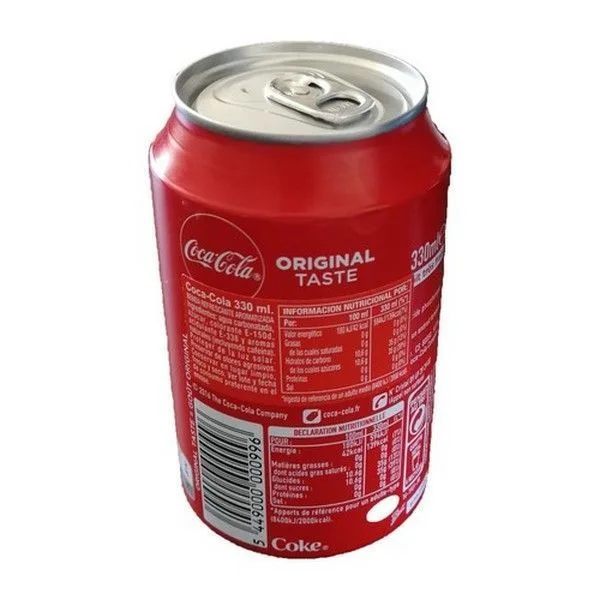
In wholesale trade there is one key aspect that cannot be overlooked: complying with current regulations and making sure that product labelling is in Spanish when goods are sold in Spain.
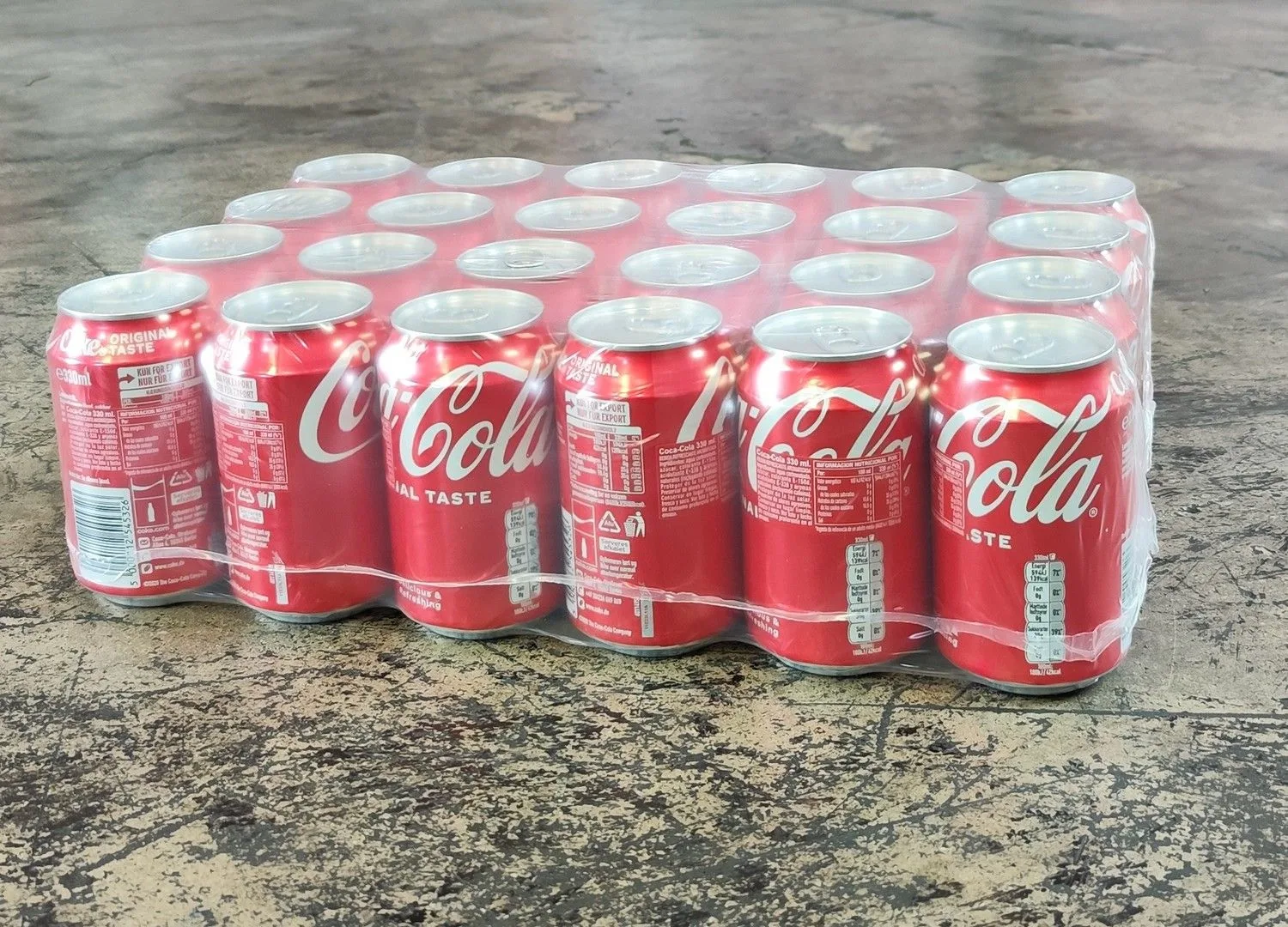
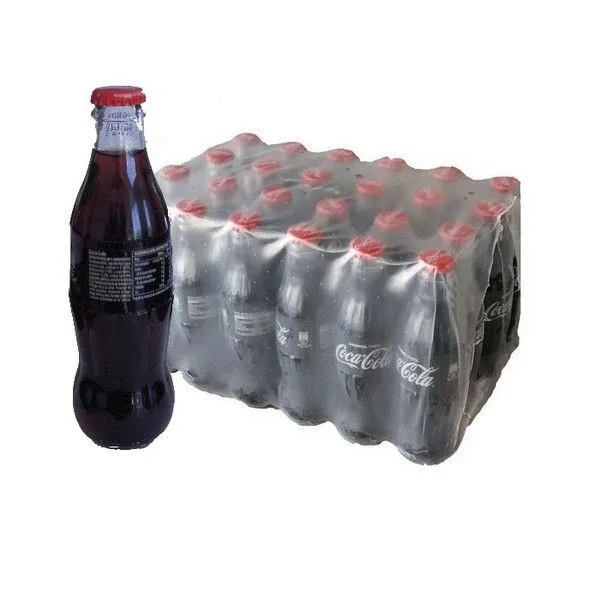
This is not only a legal requirement; it is also a way of bringing clarity, trust and security to every deal.
✅ The value of regulatory compliance
Complying with regional and national regulations avoids problems and adds professionalism to your operations:
- 📦 It prevents goods from being detained or returned during official inspections.
- 🧾 It minimises the risk of fines arising from inspections.
- 🤝 It increases trust between suppliers, distributors and customers.
- 📚 It demonstrates professionalism and market knowledge.
🏷️ Why is Spanish-language labelling important?
Even if you work with imported products, if they are going to be sold in Spain, the labelling must be in Spanish. This provides:
- 🛡️ Safety for the end consumer, who can clearly understand what they are buying.
- 📊 Legal and commercial clarity for everyone involved.
- 🧑⚖️ Compliance with labelling regulations, which may vary from one Comunidad Autónoma (Spanish autonomous region) to another.
📌 Important: Although there is national legislation such as Real Decreto 1334/1999 (the Spanish royal decree on food labelling) and its amendments, responsibility for labelling inspections lies with the Comunidades Autónomas, so it is essential to know the specific requirements in each territory where you operate.
And be careful: most labels on imported products do not fully comply with the regulations. Although some distributors apply additional labels, problems still keep turning up in health inspections because of errors or shortcomings in the relabelling.
What is more, when a retail outlet is inspected, it causes considerable ill feeling towards the wholesaler that supplied the goods, because the purchase invoice for the inspected product is always requested. This can directly affect the business relationship and trust in the supplier.
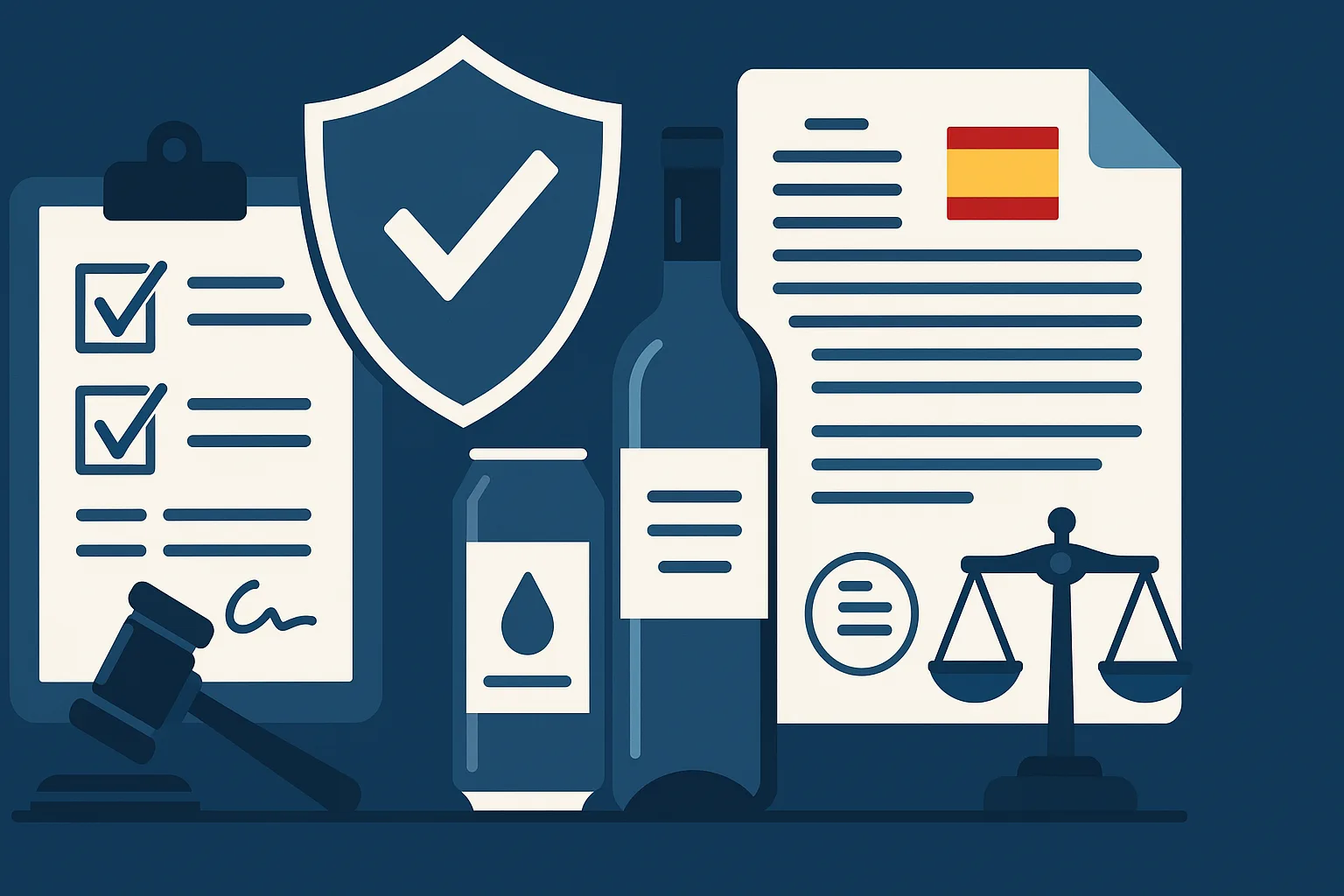
At RED PARALELA we leave no room for error:
🏷️ We have two in-house labelling and shrink-wrapping lines, which allow us to guarantee:
- ✅ The highest quality repackaging
- ✅ Strict compliance with Spanish-language labelling, agreed with all the autonomous regions.
🎯 What to do as a wholesale distributor
✔️ Always check that products comply with the labelling regulations in force in your autonomous region.
✔️ If you buy from an external importer, demand guarantees of compliance, as many labels fail health inspections.
✔️ Consult your supplier or legal adviser if you have any doubts about regulatory compliance.
✔️ Give priority to brands that already operate under clear regulations to avoid complications.
📢 Share your opinion on LinkedIn
Have you come across labelling problems in your operations?
Do you think this part of the regulations is enforced rigorously enough?
💬 Join the debate on our LinkedIn page and tell us about your experience.